Cane Corso
 Italy
Breed Traits
About
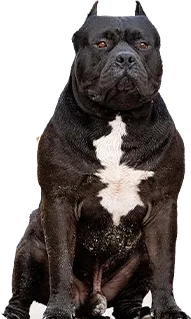
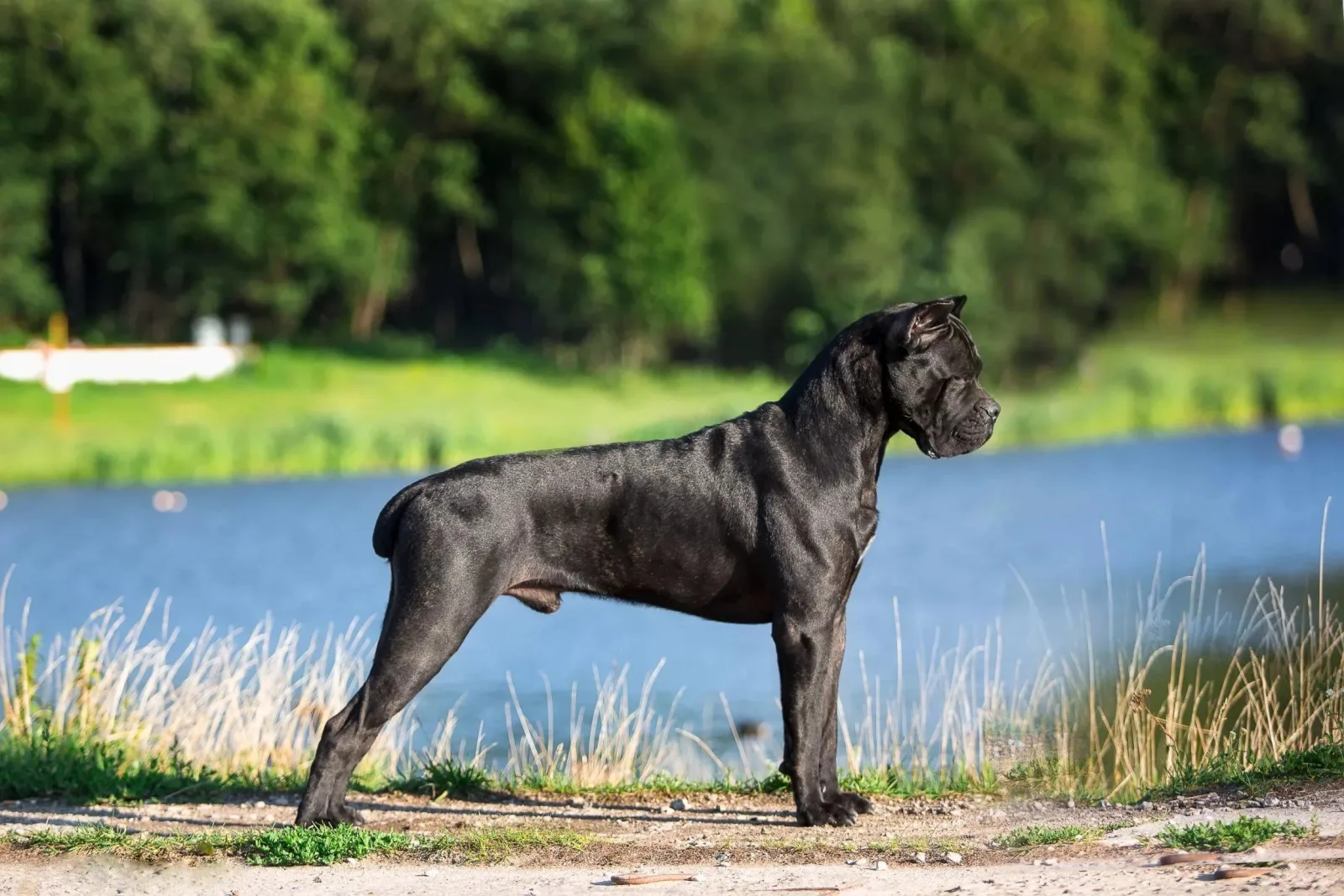
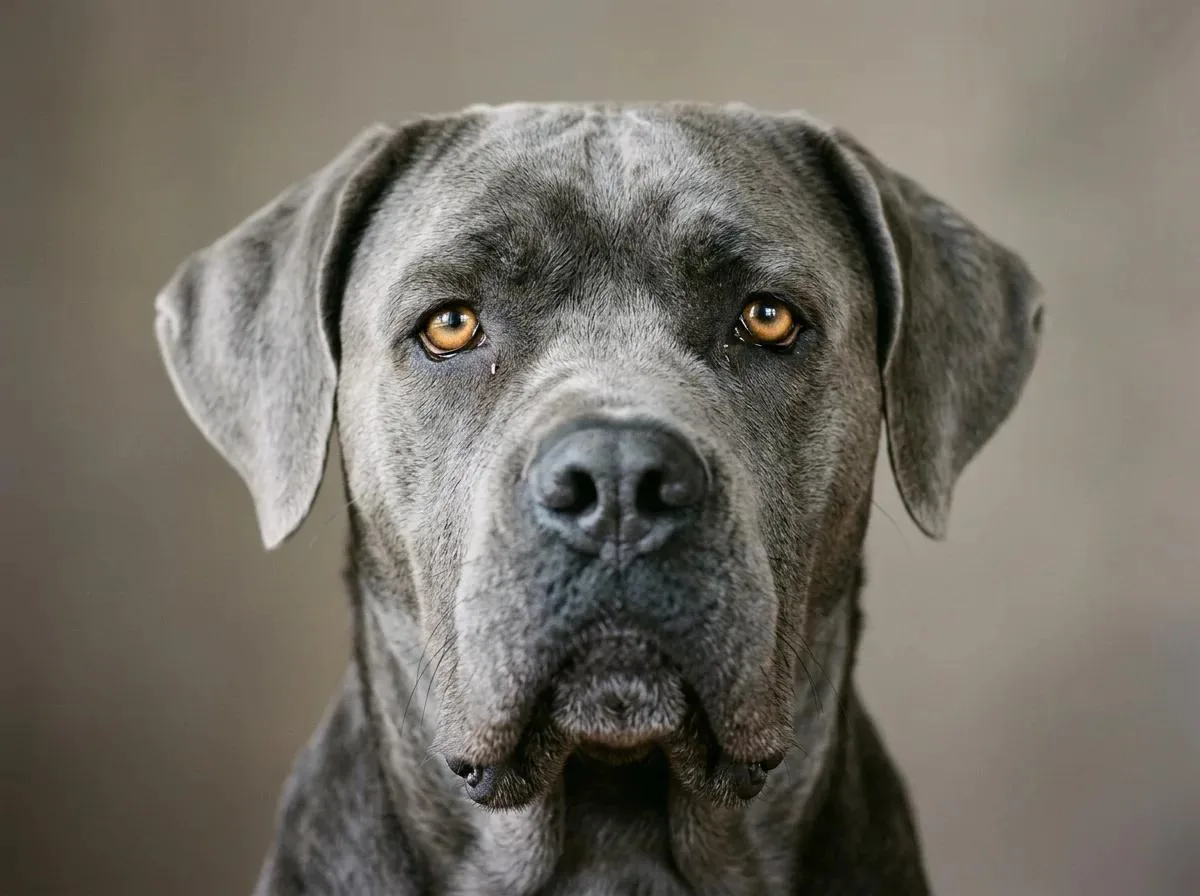
The Cane Corso is a serious, devoted guardian that bonds closely with its family. At home it is often calm and affectionate, but it is naturally suspicious of strangers and quick to protect its territory. It is intelligent and responsive, yet can test boundaries if leadership is unclear. A well-raised Corso is steady and confident, while a poorly socialised one can become dangerous simply because of its size and strength. Living with one requires confidence, consistency and a real commitment to training and supervision throughout its life.
Is the Cane Corso Right for You?
Ideal Home / Owner
The Cane Corso suits experienced, confident owners with space, time for training and a commitment to lifelong socialisation. It is not ideal for first-time owners, busy households or homes with frequent unsupervised visitors.
Cane Corso History
The Cane Corso is an Italian mastiff whose ancestors are believed to be the Molosser dogs of ancient Rome, used as war dogs and guardians. After the fall of the Roman Empire, these large dogs found new roles in the Italian countryside. Their name is often linked to the Latin cohors, meaning guardian or enclosure, reflecting their role protecting property and people.
For centuries the Corso was a versatile farm dog, especially in southern Italy. It guarded farms and livestock, helped drive cattle and pigs and was used to hunt large game such as wild boar. Farmers valued its strength, courage and intelligence. As farming became mechanised in the twentieth century, the need for such dogs declined sharply.
By the mid twentieth century the breed was close to extinction, surviving mainly in rural parts of southern Italy. In the 1970s enthusiasts began searching for remaining dogs and started a careful revival programme. The Società Amatori Cane Corso was founded in 1983, and the breed later gained FCI recognition. The American Kennel Club recognised it in 2010.
Today the Cane Corso is admired worldwide as a guardian and companion. In India its popularity has grown in recent years, particularly among owners seeking a protective dog. As a powerful guarding breed it has also faced regulatory scrutiny in India, so prospective owners should check current local and municipal rules before bringing one home. Choosing a well-bred, well-socialised puppy is essential.
Diet
A Cane Corso puppy needs large-breed puppy food to support steady growth and protect developing joints. Adults do well on a high-quality large-breed diet fed in measured portions, usually split into two meals. As a deep-chested breed, the Corso is at risk of bloat, so avoid exercise around mealtimes and use a slow feeder if your dog gulps. Keep your dog lean and muscular, as excess weight strains joints. Provide fresh water at all times, especially in Indian summers. Ask your vet for exact portions based on age, weight and activity.
Weather & climate
Loyal Italian Guardian
A confident and protective mastiff that is devoted to its family and thrives with structure, training and experienced leadership.
Training
The Cane Corso is intelligent and eager to work with a confident handler. Start training early using consistent, reward-based methods, and establish clear house rules from day one. Focus on obedience, loose-lead walking, impulse control and calm behaviour around visitors. Avoid harsh corrections, which can damage trust and increase defensiveness. Professional guidance from a trainer experienced with guardian breeds is highly recommended. Socialisation should continue well into adulthood, so your Corso learns to tell the difference between normal everyday situations and real threats.
Grooming
The Cane Corso's short, dense coat is easy to maintain. Brush weekly with a rubber curry or bristle brush to remove loose hair, and more often during seasonal shedding. Bathe only when needed. Wipe the lips and facial folds regularly, as some Corsos drool, especially after drinking or in the heat. Check and clean the ears weekly, particularly during humid monsoon months. Trim nails regularly, as long nails can affect movement in a heavy dog, and brush the teeth several times a week.

Health
The Cane Corso is generally robust but can be prone to hip and elbow dysplasia, bloat, eyelid problems such as entropion and ectropion and some heart conditions. Choose breeders who screen hips and elbows. Its short coat handles warmth better than heavy-coated giants, but its large, muscular body and dark coat colours can overheat quickly in Indian summers. Exercise early in the morning or late in the evening, provide shade and cool resting areas and keep water available. Watch for heavy panting or weakness, which may signal heat stress.