Boxer
 Germany
Breed Traits
About
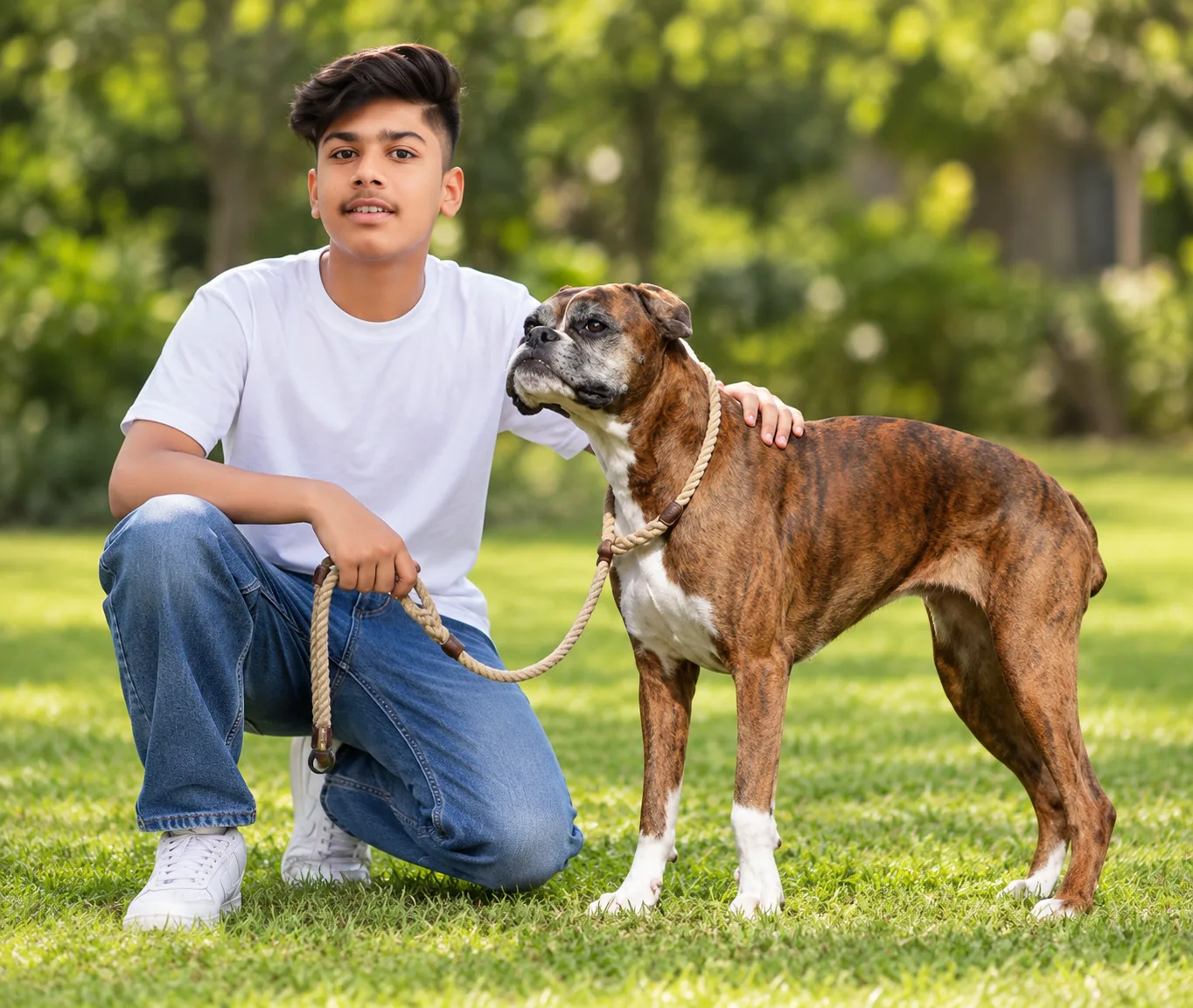
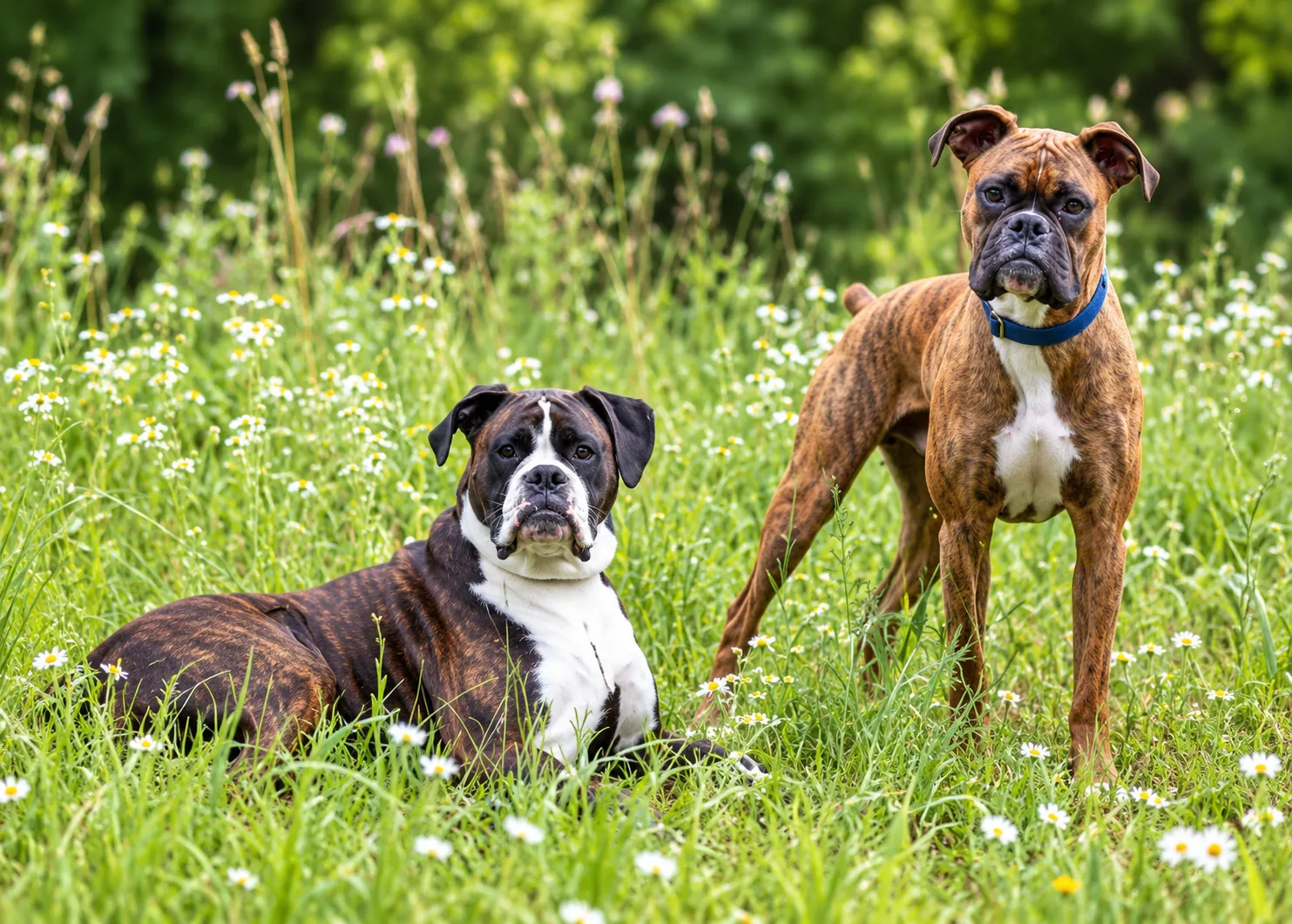
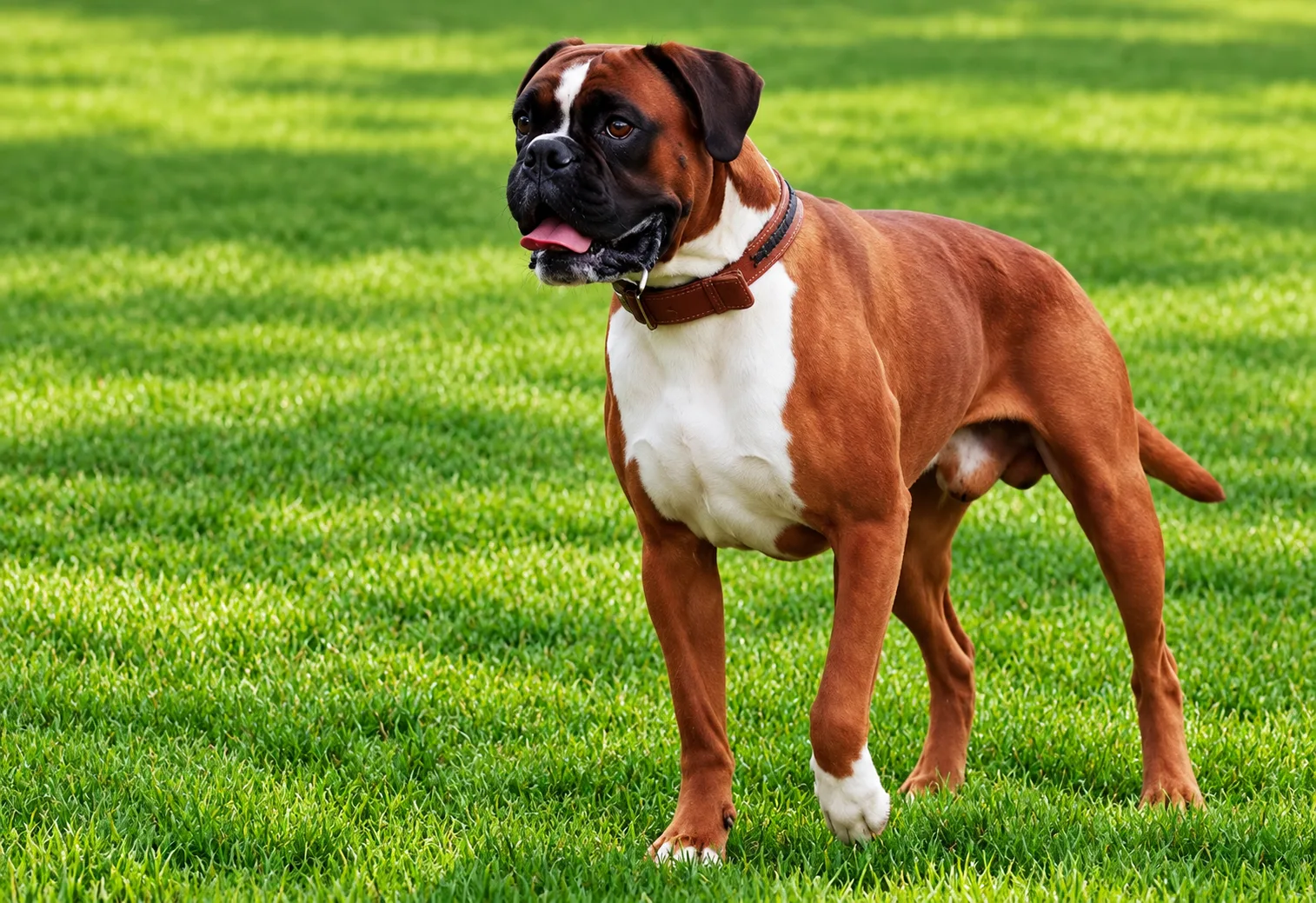
The Boxer is a strong, athletic dog with a bouncy personality and a playful streak that lasts well into adulthood. It's part guard dog, part clown, and almost always ready for a game.
1. A Loyal Family Companion
Boxers bond closely with their families and are known for being patient and protective with children. They're watchful with strangers but rarely aggressive without a reason.
Is the Boxer Right for You?
Ideal Home / Owner
Active families with time for daily exercise and play, ideally with some outdoor space. Not suited to owners who are away for long hours.
Care Tips
- Provide 60 to 90 minutes of exercise a day at cool times
- Feed smaller meals to lower bloat risk
- Schedule regular heart checkups
- Brush weekly and wipe the face after meals
- Start training and socialisation early
- Supervise play with small children, as Boxers can be bouncy
Boxer History
The Boxer's story begins in Germany with an older, now extinct dog called the Bullenbeisser, which hunters used to catch and hold large game like boar and deer. These were strong, brave dogs with powerful jaws, and they formed the foundation of what would eventually become the Boxer.
In the 1890s, a small group of breeders in Munich began crossing Bullenbeisser-type dogs with English Bulldogs to create a lighter, more athletic dog that kept the courage of its ancestors. They founded the first Boxer club in 1895, and the breed was quickly standardised in the years that followed.
Boxers proved useful well beyond the home. During the First World War, they worked as messenger dogs, pack carriers, and guard dogs for the German military. Their intelligence and steady nerves also made them one of the earliest breeds used for police work in Germany.
After the Second World War, soldiers returning home helped spread the Boxer's popularity around the world, especially in the United States. Today the Boxer is loved as a family dog more than a working one, and it has a loyal following in India among families who want an energetic, protective companion.
Diet
Boxers are muscular and active, so they need a protein-rich diet. As a deep-chested breed, they're also at risk of bloat, which affects how they should be fed.
1. Feed a Quality Large-Breed Diet
Feed a quality large-breed, protein-rich diet, and split food into two or three meals a day.
2. Avoid Exercise Around Mealtimes
Avoid hard exercise for an hour before and after meals, and keep fresh water available at all times.
Bouncy and Brave
Boxers bring huge energy and enthusiasm to everything they do and stay puppy-like for years. Their shorter muzzle makes them sensitive to heat, so summer exercise in India should happen only in the early morning or late evening.

Training
Boxers are smart and eager to work with their people, but their energy can make focus tricky, especially when they're young. Consistent, positive training and plenty of exercise go hand in hand.
1. Start Early Socialisation
Early exposure to people, dogs, and new places helps Boxers grow into confident adults and keeps their protective instinct in proportion.
Grooming
The short, tight coat is very easy to look after.
1. Weekly Brush
A rubber brush or grooming mitt once a week keeps the coat shiny.
2. Wipe the Face
A quick wipe after meals helps with drool and keeps the face clean.
Health
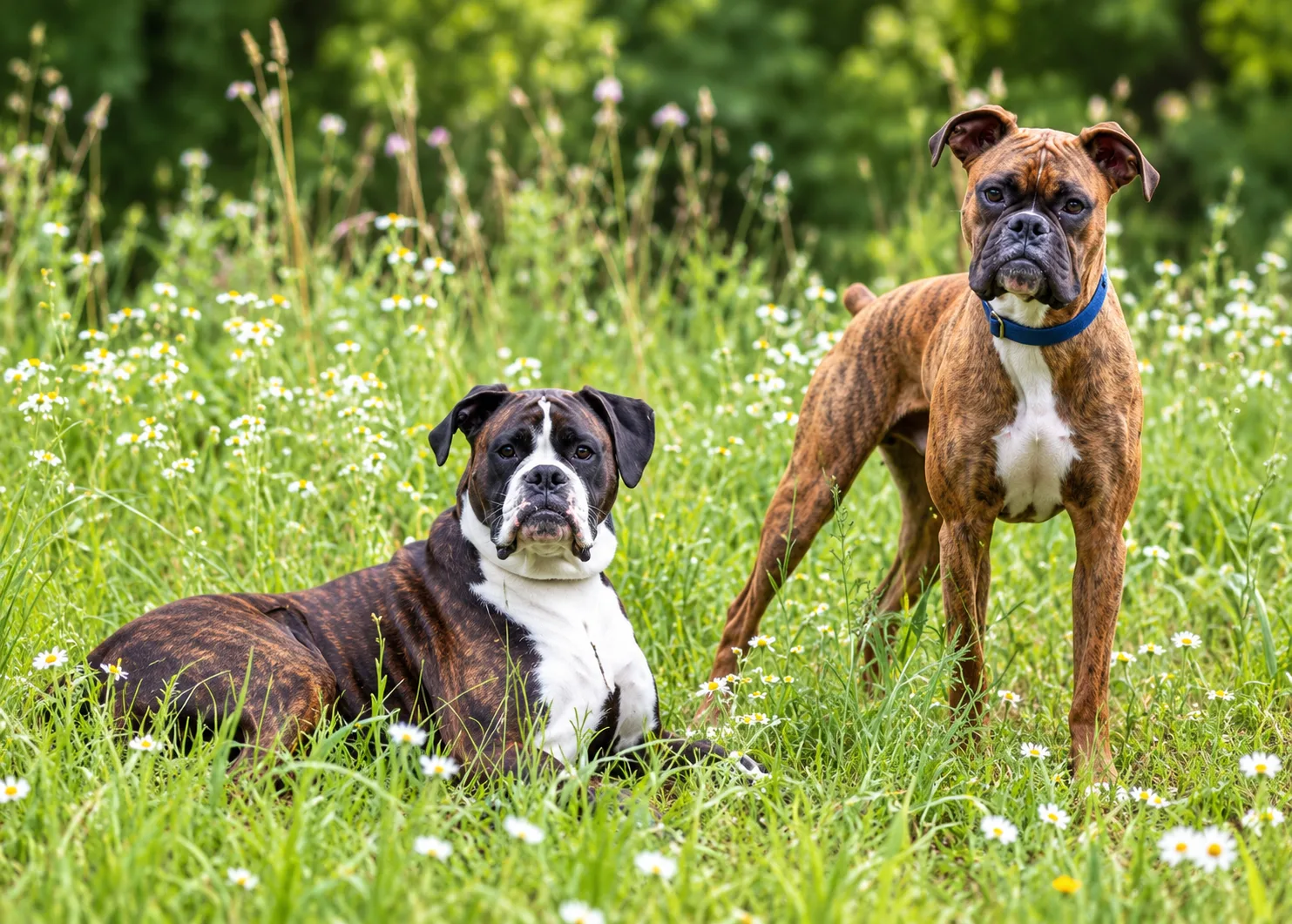
Boxers can be prone to heart conditions, including a heart rhythm disorder known as Boxer cardiomyopathy, along with certain cancers and hip problems. Their shorter muzzle also makes them more sensitive to heat.
1. Get Regular Heart Checks
Ask your vet about routine heart screening, especially as your Boxer gets older. Fainting, weakness, or tiring quickly are worth getting checked straight away.