Doberman
 Germany
Breed Traits
About
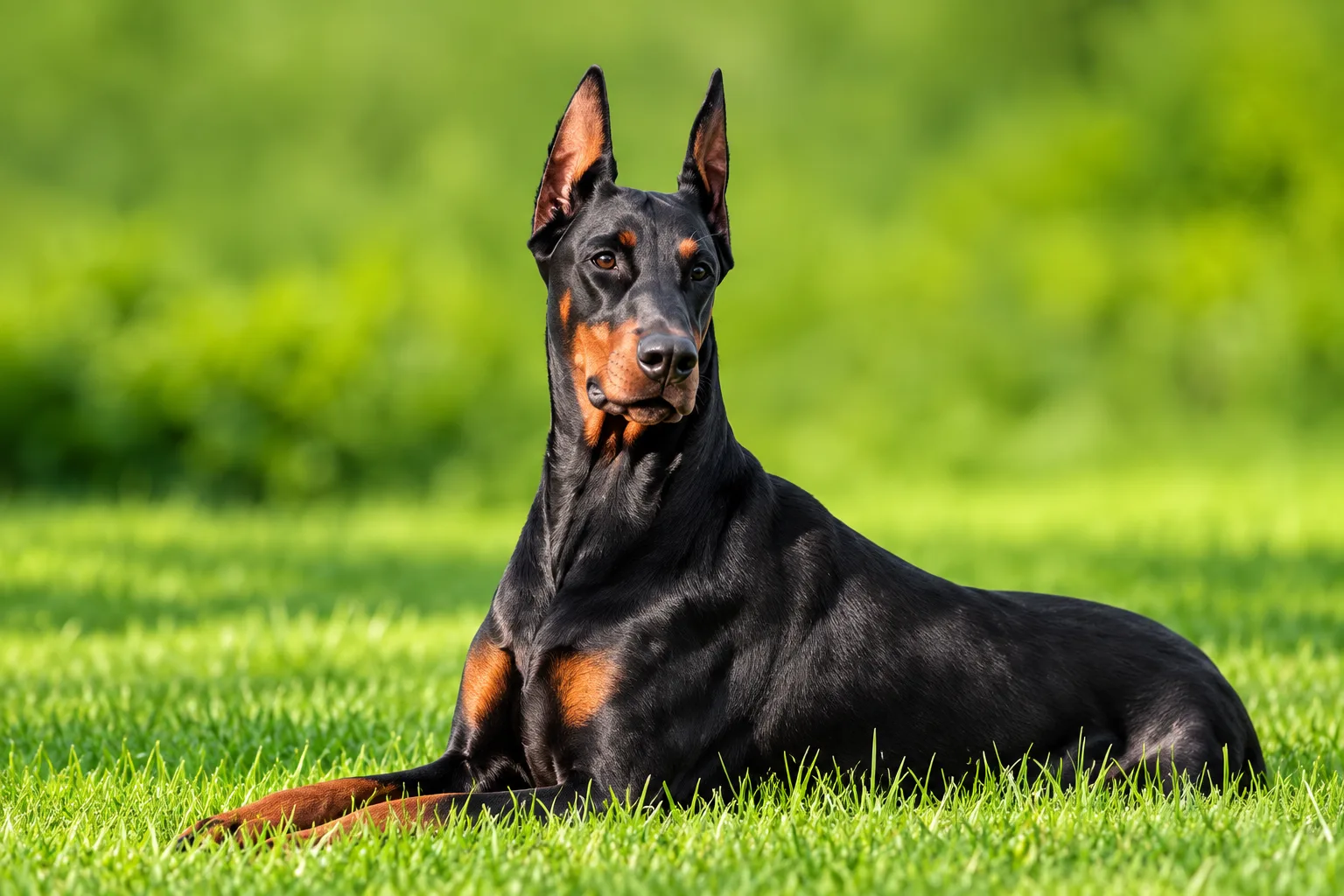
The Doberman is a sleek, powerful dog known for its intelligence, loyalty, and natural guarding ability. Under the serious exterior, a well-raised Doberman is often affectionate and surprisingly sensitive.
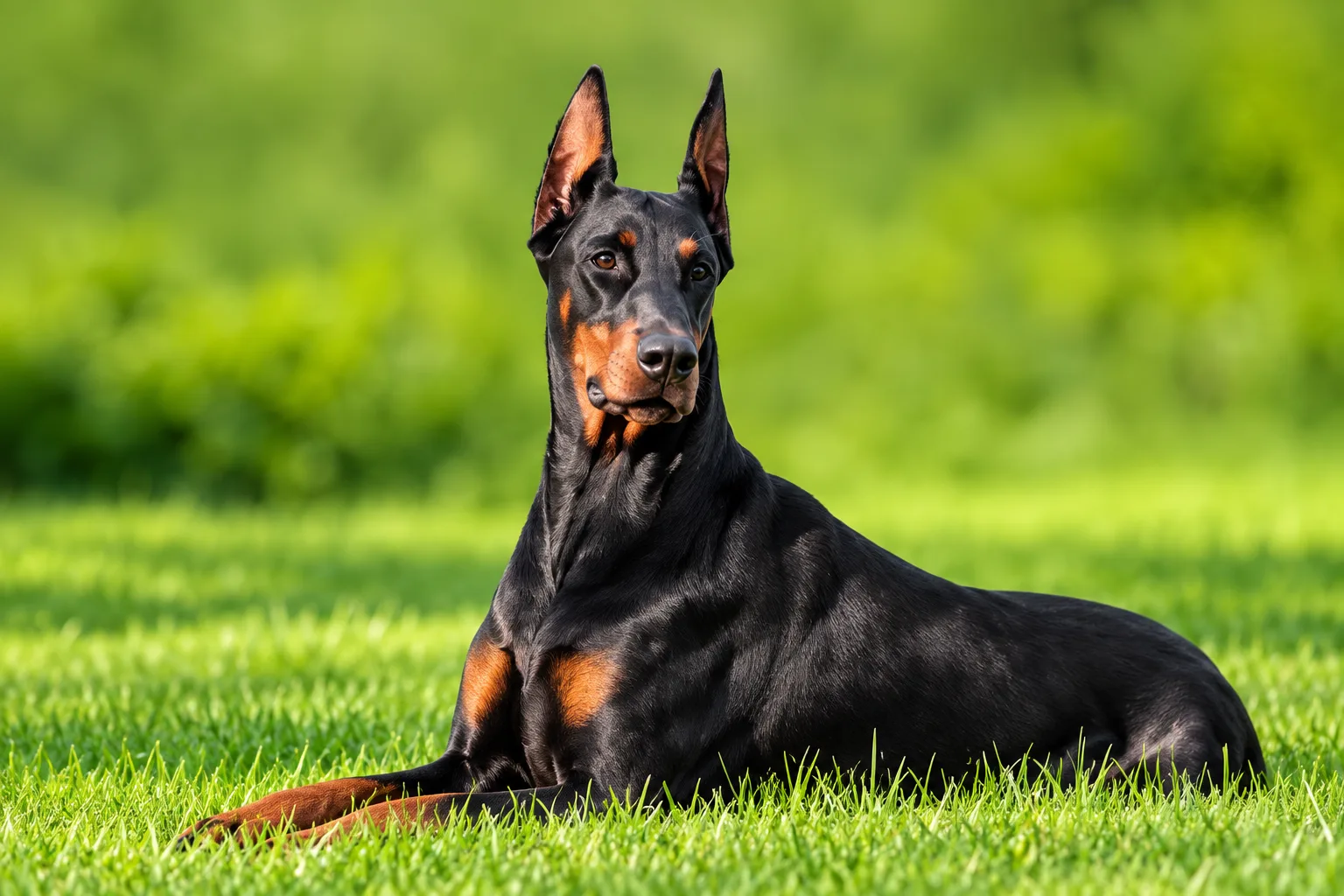
1. A Loyal Family Companion
Dobermans bond deeply with their family and like to stay close to their people. They're naturally protective and watchful with strangers.
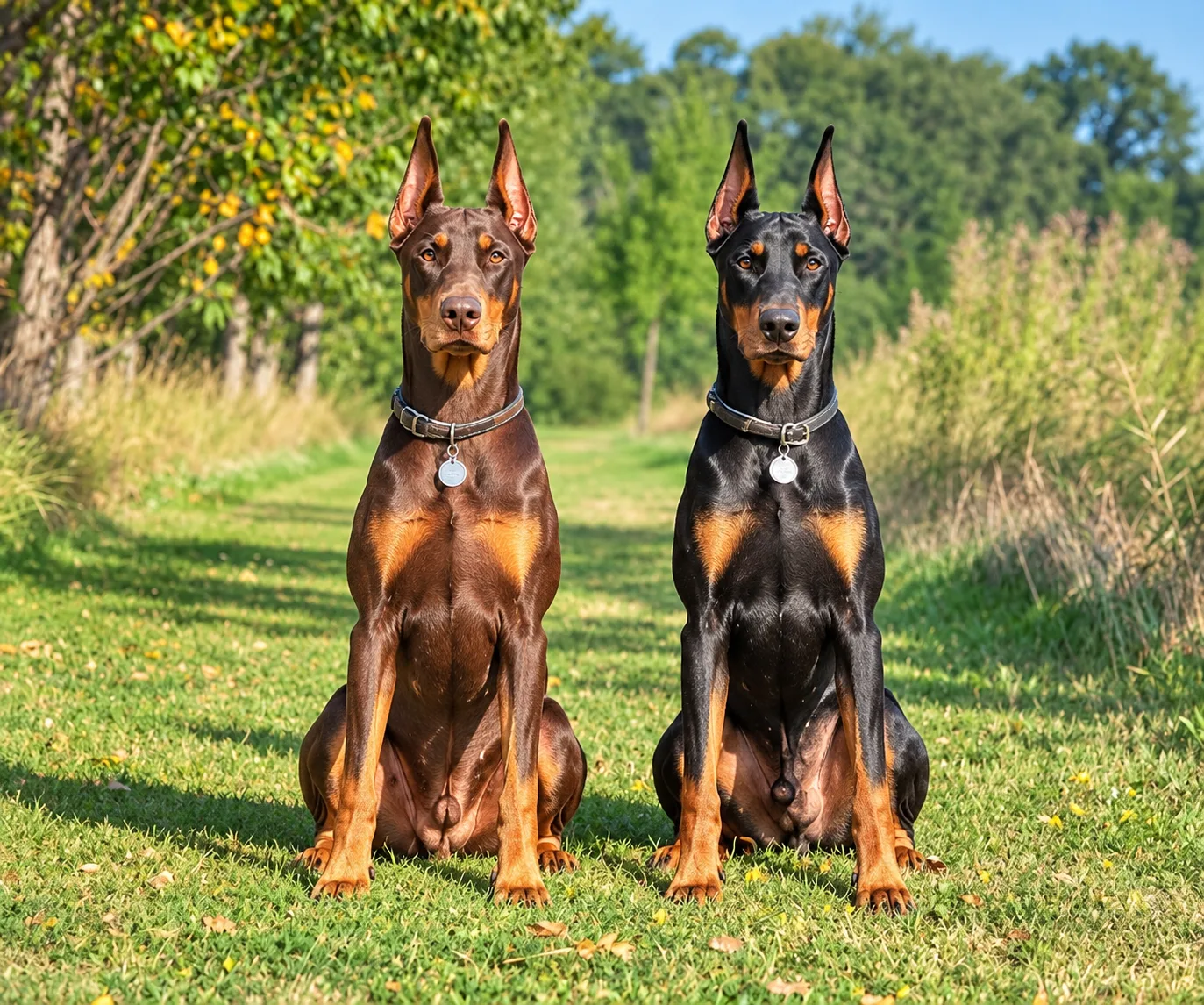
2. Where It Comes From
The breed was developed in Germany in the 1890s by a tax collector named Louis Dobermann, who wanted a dependable protection dog.
Is the Doberman Right for You?
Ideal Home / Owner
Active, confident owners who can provide daily exercise, consistent training, and close companionship. Dobermans don't do well left alone outdoors for long periods.
Care Tips
- Provide at least 60 to 90 minutes of exercise daily
- Train consistently from puppyhood
- Socialise widely and keep it up into adulthood
- Schedule regular heart screening
- Feed smaller meals to reduce bloat risk
- Keep them indoors with the family, not tied outside
Doberman History
The Doberman is a powerful, athletic breed developed in Germany in the 1890s as a personal protection dog. Intelligent, alert, and deeply loyal, it has served in police and military roles and remains one of the most trainable breeds in the world.
Dobermans thrive with active owners who provide daily exercise, consistent training, and close companionship. Their short coat suits Indian weather better than many large breeds, and with early socialisation they make devoted, protective family dogs.
Diet
Dobermans are athletic, muscular dogs that need a protein-rich, large-breed diet. As a deep-chested breed, they also benefit from feeding habits that lower the risk of bloat.
1. Feed a Quality Large-Breed Diet
Feed a quality large-breed, protein-rich diet, split into two meals a day.
2. Avoid Vigorous Exercise Around Mealtimes
Avoid vigorous exercise around mealtimes and keep fresh water available at all times.
Sleek and Steadfast
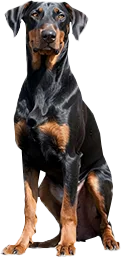
Dobermans are alert and quick to respond, always aware of what's happening around them. Their short coat handles Indian heat better than many large breeds, though they still need shade, water, and cooler walk times in summer.
Training
Dobermans are one of the most trainable breeds and learn quickly with consistent, positive methods. They do best with an owner who gives clear structure and plenty of mental work.
1. Start Early Socialisation
Early and ongoing socialisation is essential so their protective instinct stays balanced and they grow into calm, confident adults.
Grooming
The short, smooth coat is very easy to look after.
1. Quick Weekly Brush
A rubber mitt once a week keeps the coat glossy and removes loose hair.
2. Keep Nails Short
Trim nails regularly, as long nails affect how they move.

Health
Dobermans are prone to a serious heart condition called dilated cardiomyopathy (DCM), as well as von Willebrand's disease (a bleeding disorder), hip dysplasia, and a neck condition known as wobbler syndrome.
1. Screen the Heart Early
Ask your vet about regular heart screening from around two years of age, since DCM can develop without obvious signs at first.