Shih Tzu
 Tibet / China
Breed Traits
About
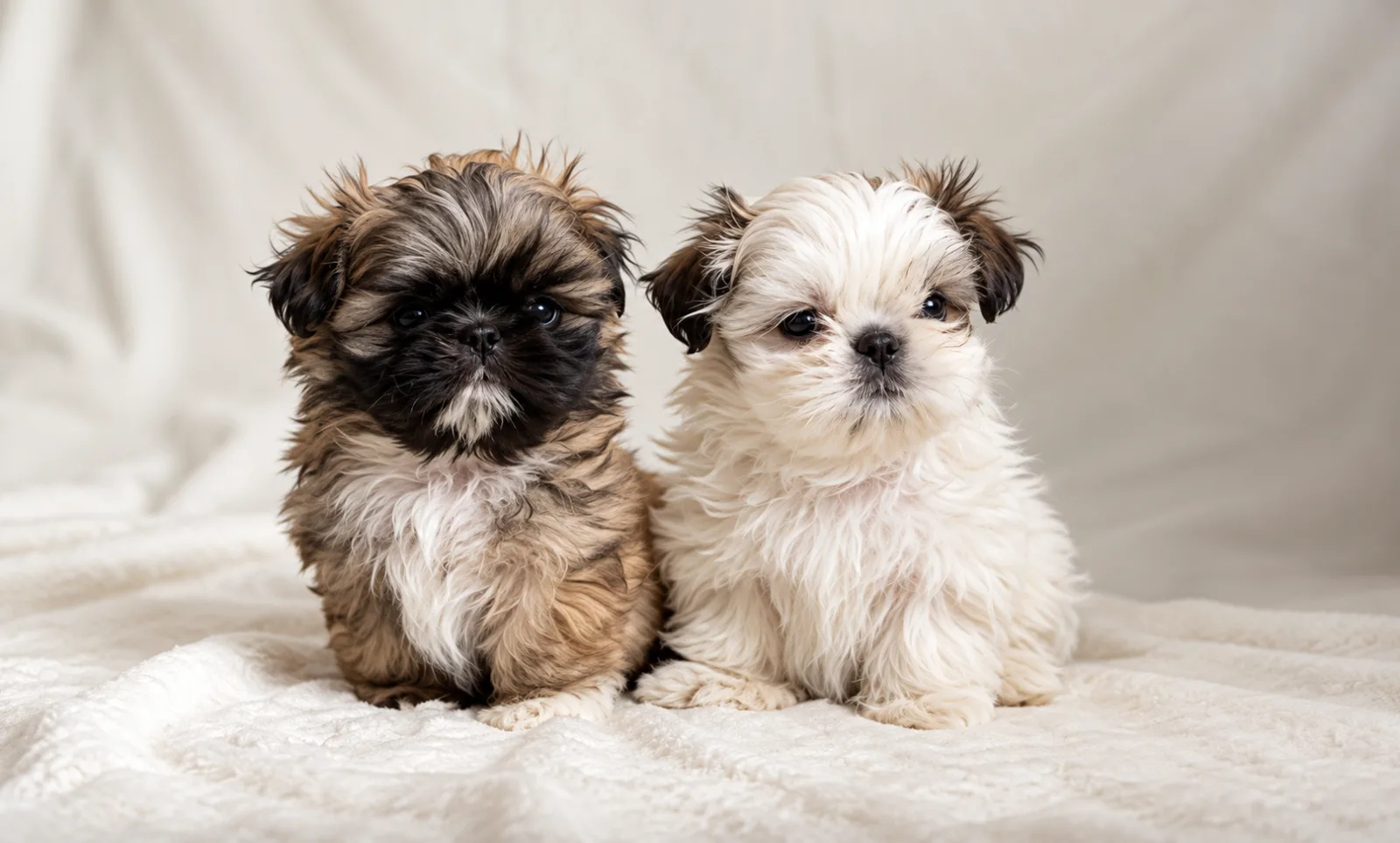
The Shih Tzu is a small, sturdy companion dog with a flowing coat and a face that looks permanently pleased to see you. Breed for centuries to keep royalty company, it takes that job very seriously and is happiest in someone's lap.
1. A Loyal Family Companion
Shih Tzus are friendly with nearly everyone, including children, visitors, and other pets. They aren't guard dogs in any real sense, but they'll happily announce the doorbell.

2. Where It Comes From
The breed developed in Tibet and was refined in the Chinese imperial court, where its name translates roughly to "little lion dog."

Is the Shih Tzu Right for You?
Ideal Home / Owner
Families, seniors, or apartment dwellers who want an affectionate indoor companion and can keep up with regular grooming. Not suited to owners wanting a running or outdoor dog.
Care Tips
- Brush daily or keep a short trim
- Wipe eyes and face every day
- Keep indoors and cool during hot weather
- Brush teeth regularly
- Use a harness rather than a collar to protect the airway
- Keep walks short and at cooler times of day
Shih Tzu History
The Shih Tzu's story starts high in the monasteries of Tibet, where small, long-coated dogs were kept as companions and treasured gifts. Some of these dogs were sent as presents to the Chinese imperial court, and that's where the breed really took shape over several centuries.
In the palaces of China, particularly during the Ming and Qing dynasties, these dogs lived a pampered life. They were breed carefully within the court, likely crossed with the Pekingese, and became closely tied to royalty. Ordinary people rarely owned one, and the dogs themselves were seen as something close to a status symbol.
The breed came close to vanishing in the early 20th century. After the fall of the imperial dynasty and the turmoil that followed, very few Shih Tzus remained in China. A small number had been taken to England and Norway in the 1930s, and every Shih Tzu alive today traces back to just a handful of those dogs.
From that small starting point, the breed rebuilt itself and spread around the world, becoming especially popular after the Second World War. Today the Shih Tzu is one of the most loved toy breeds in India too, valued for its easy temperament and its fondness for apartment life.
Diet
Shih Tzus have small appetites and small mouths, so a good small-breed food in the right portion size suits them best. They put on weight easily, and extra kilos are hard on a dog this size.
1. Feed a Quality Small-Breed Formula
Feed a quality small-breed formula with small kibble, and split food into two or three small meals a day.
2. Keep Treats Small and Few
Keep treats small and few, and use a shallow bowl so the face and beard stay cleaner.
Little Lion, Big Heart
The Shih Tzu carries itself with a cheerful, slightly regal confidence and loves being the centre of attention. Its short muzzle makes heat a real concern, so in Indian summers it belongs indoors in a cool room during the day.

Training
Shih Tzus are clever but can be stubborn, and house training in particular often takes longer than owners expect. Short, upbeat sessions with treats work far better than long ones.
1. Start Early Socialisation
Their friendly nature makes socialisation fairly easy, but early handling of paws, face, and coat makes lifelong grooming much less of a battle.
Grooming
That long coat is beautiful and high maintenance. Without regular brushing it mats quickly, which is uncomfortable for the dog.
1. Brush Daily or Keep a Puppy Cut
Brush a long coat every day, or ask your groomer for a short "puppy cut" every 6 to 8 weeks to keep things manageable in Indian weather.
2. Keep the Face Clean
Wipe around the eyes daily and tie up or trim the hair over the eyes to prevent irritation.
Health
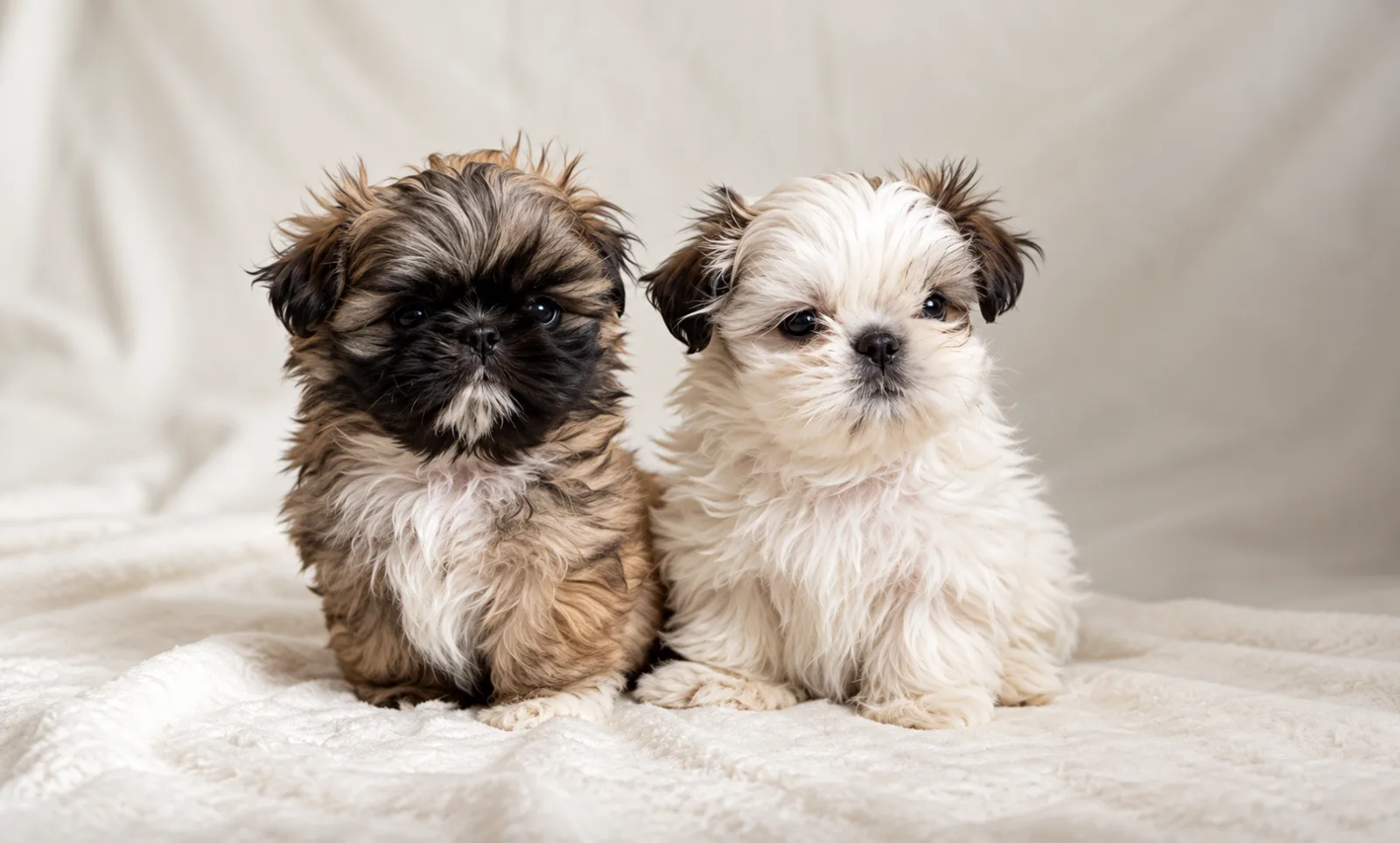
Shih Tzus are generally long-lived, but their flat faces can cause breathing problems and make them sensitive to heat. Their prominent eyes are prone to injury and dryness, and dental crowding is common in such a small mouth.
1. Protect Those Eyes
Check the eyes daily for redness, cloudiness, or squinting, and see a vet quickly if you notice any, since eye problems in this breed can get worse fast.