Pug
 China
China
Breed Traits
About
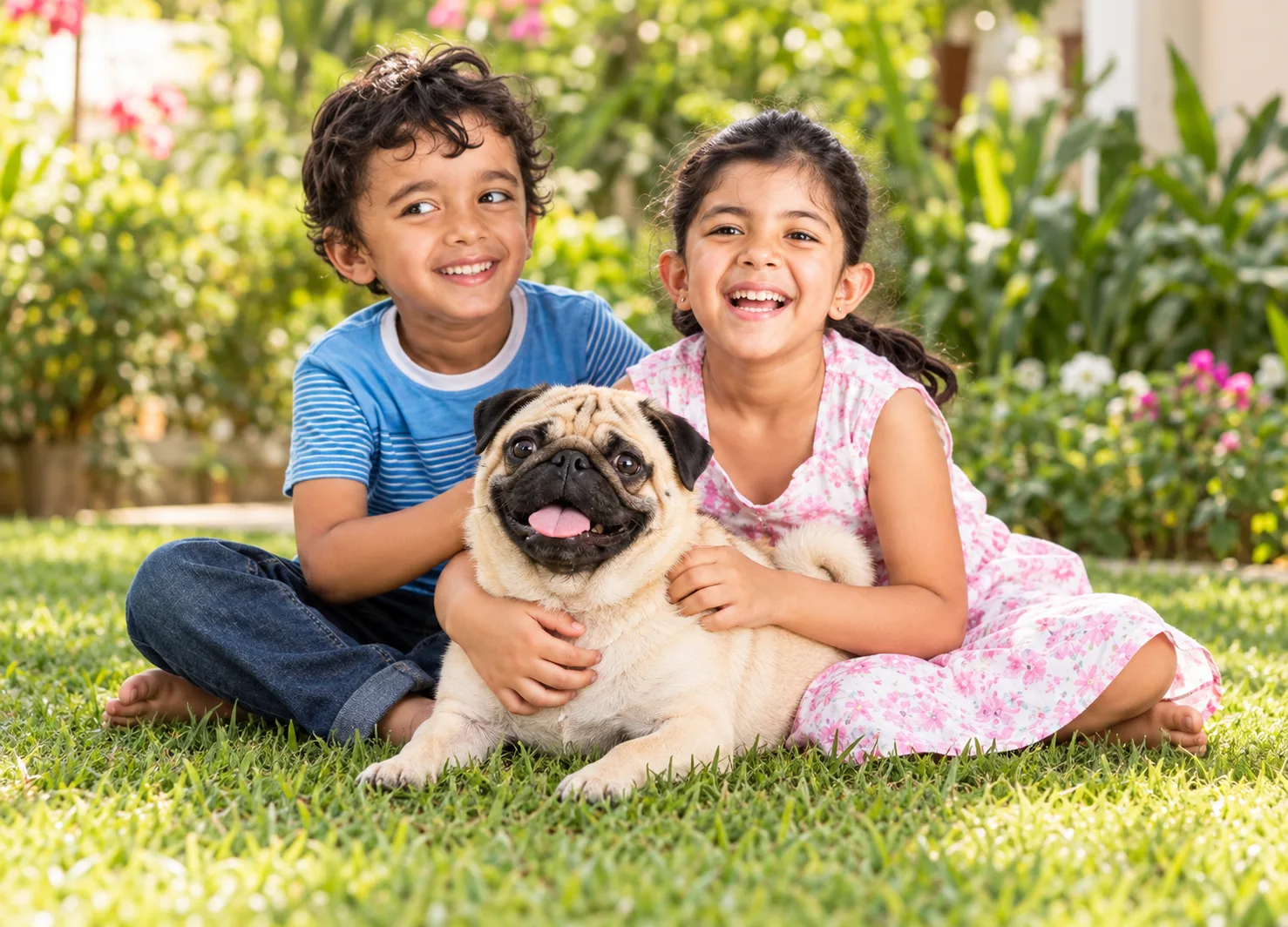
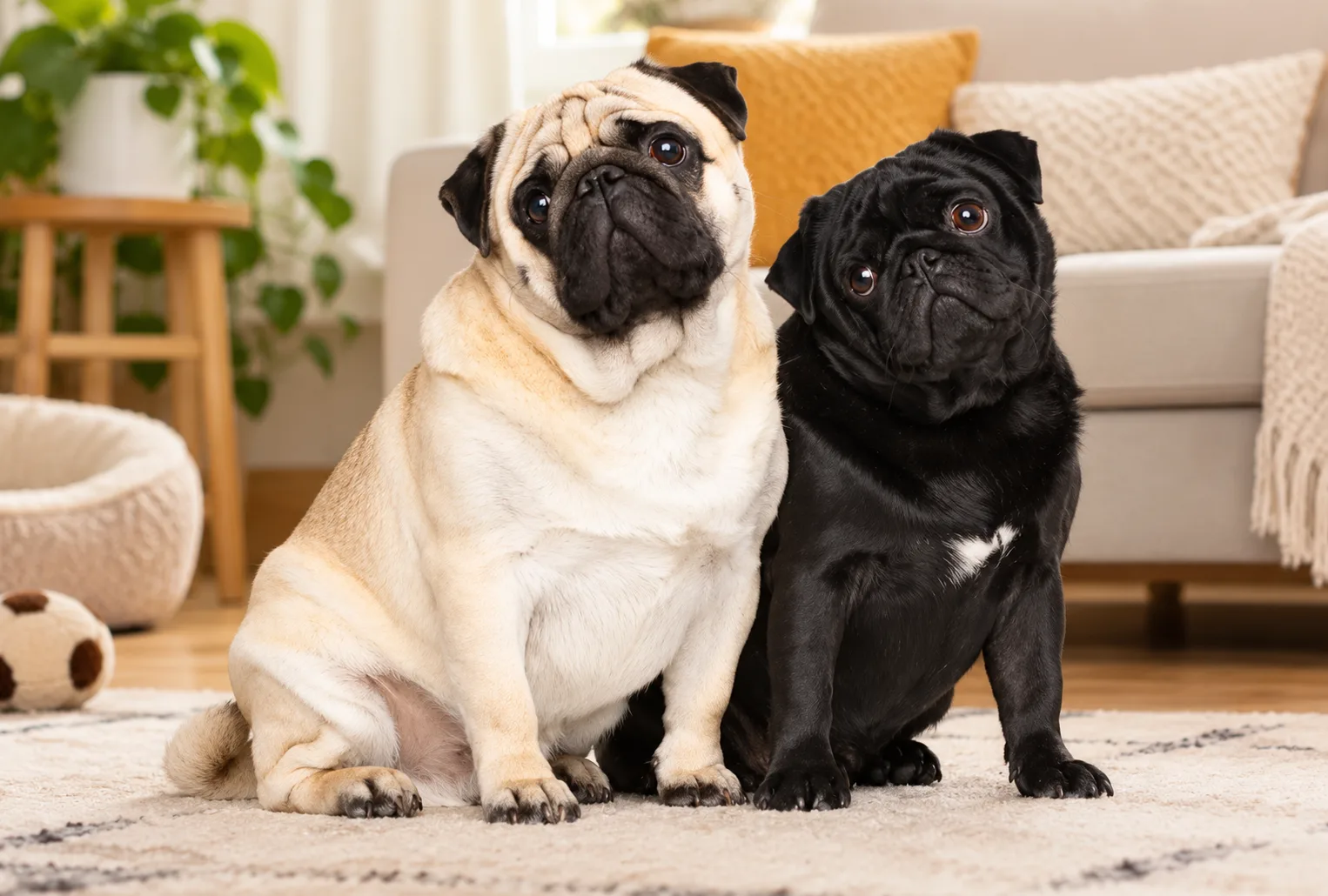
The Pug is a small dog with a big personality, a wrinkled face, and a curled tail that seems to wag constantly. Pugs live to be near their people, and they're quite happy to follow you from room to room all day.
1. A Loyal Family Companion
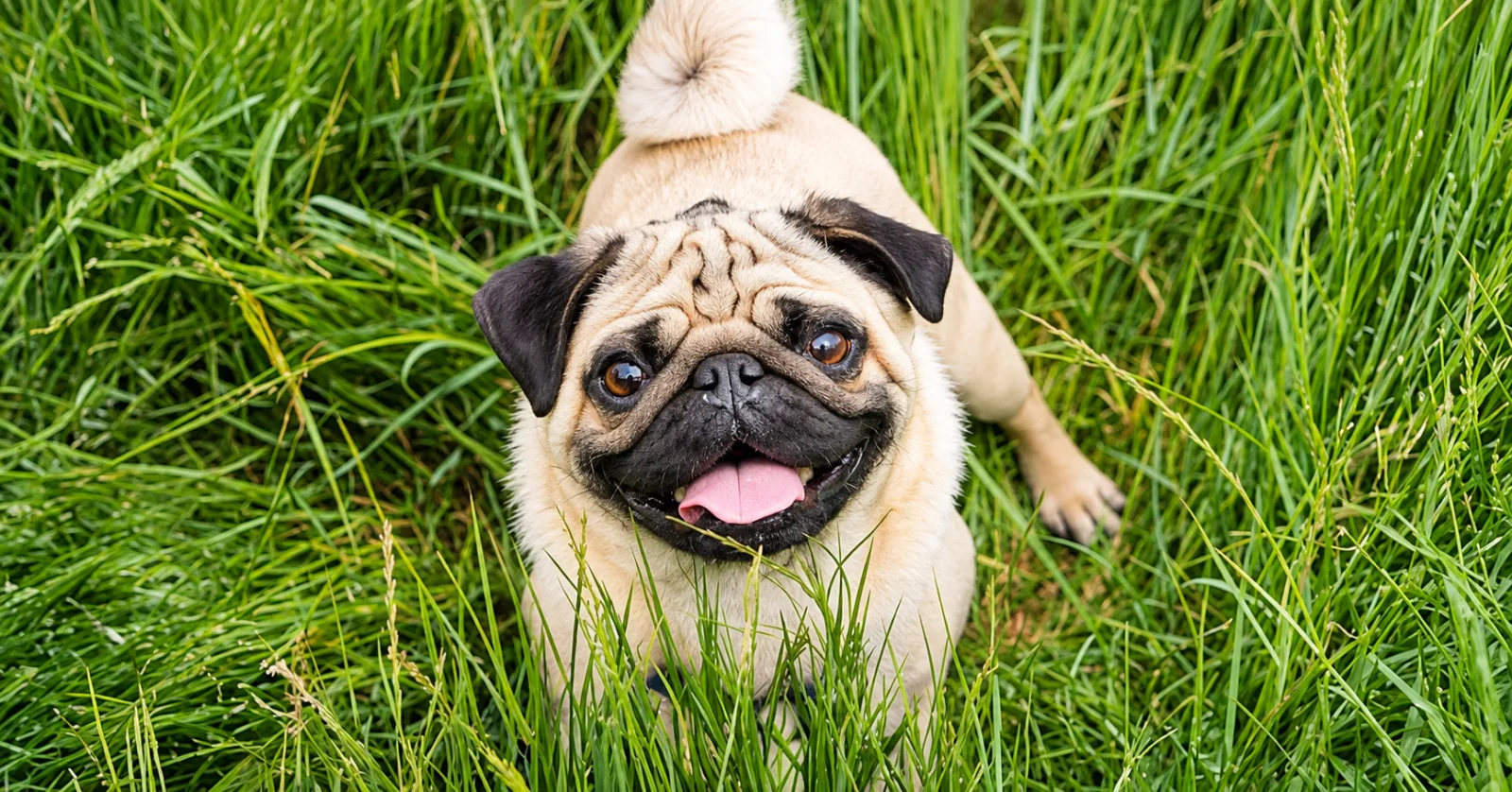
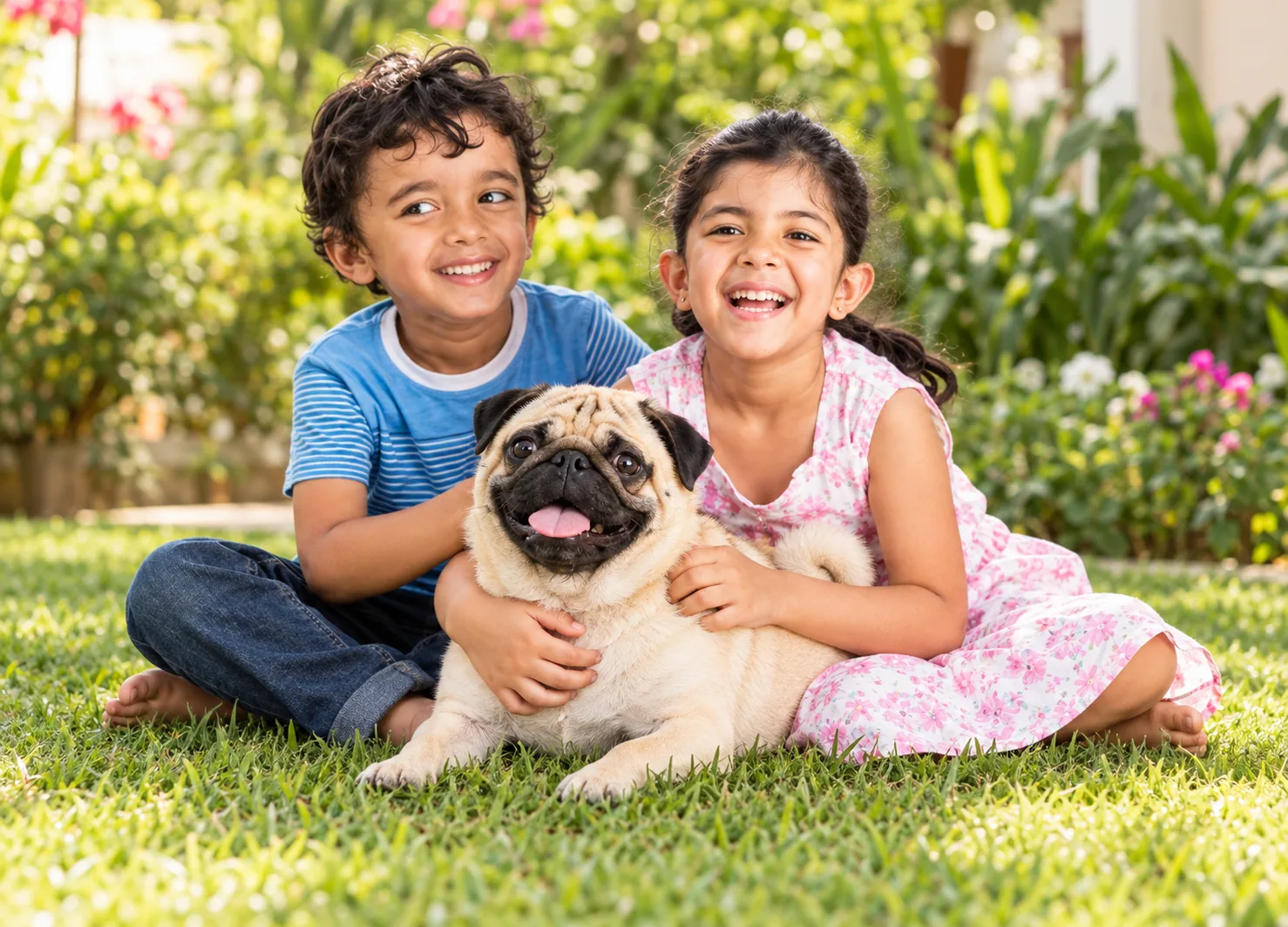
Pugs are friendly, gentle, and rarely aggressive, which makes them easy family dogs. They're more of a comedian than a watchdog.
2. Where It Comes From
The Pug comes from ancient China, where flat-faced toy dogs were kept by emperors, before Dutch traders brought them to Europe in the 1500s.
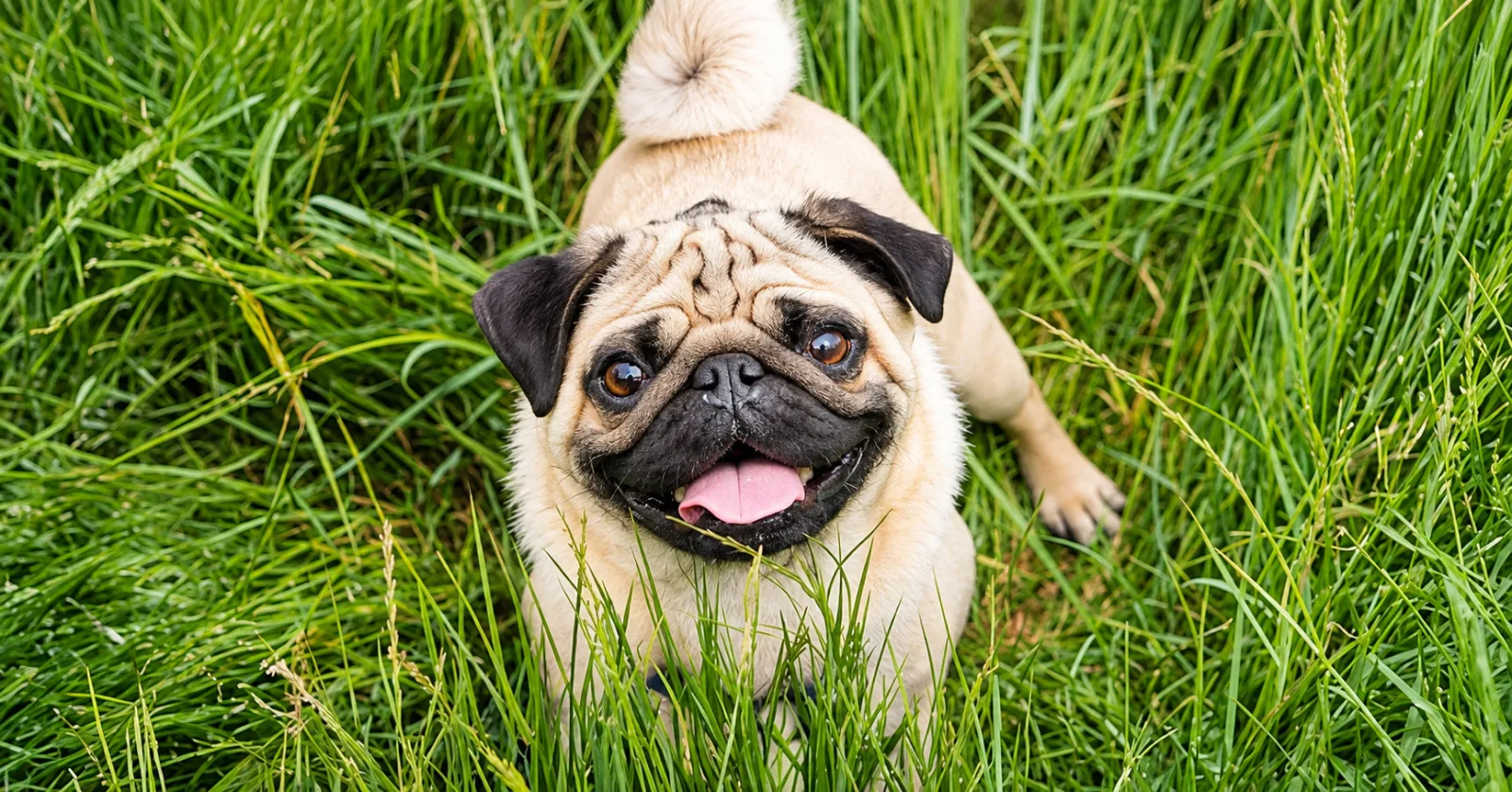
Is the Pug Right for You?
Ideal Home / Owner
A home where someone is around most of the day and can keep the dog cool and at a healthy weight. Pugs suit families, singles, and seniors alike.
Care Tips
- Keep indoors and cool during hot weather
- Walk only in early mornings or late evenings
- Clean and dry face wrinkles regularly
- Use a harness instead of a collar
- Measure every meal to prevent weight gain
- Check eyes daily for redness or injury
Pug History
The Pug is one of the oldest dog breeds still around today, with roots going back more than two thousand years in China. Small, flat-faced dogs like this were favourites of Chinese emperors, and some were looked after with remarkable care, even given their own guards.
In the 1500s, Dutch traders brought Pugs from Asia back to Europe, and the breed quickly found a home among European royalty. In the Netherlands, a Pug is said to have saved the life of William of Orange by raising the alarm when assassins approached, which made the breed a symbol of the royal House of Orange.
From there, Pugs spread to the courts of England, France, and beyond. Queen Victoria was a devoted fan and breed them herself, helping shape the breed's popularity in Britain in the 1800s. Over time, breeders selected for an even flatter face and a more compact build than early Pugs had.
Today the Pug is one of the most recognisable dog breeds in the world, and it became especially popular in India in the 2000s. That popularity has also started an important conversation about breathing health, and more owners and breeders now look for Pugs with slightly longer muzzles and more open airways.
Diet
Pugs love food and gain weight very easily, and extra weight makes their breathing problems worse. Careful portions are one of the most useful things you can do for a Pug's health.
1. Feed a Measured Small-Breed Diet
Feed a measured small-breed diet, never free-feed, and split food into two meals a day.
2. Count Treats and Use a Slow Feeder
Count treats as part of the daily total, and use a slow feeder if your Pug gulps food.
The Household Comedian
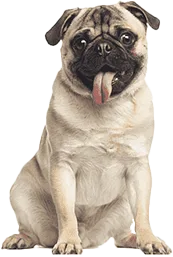
Pugs are cheerful, cheeky, and devoted to their people. Their flat faces make them one of the breeds most at risk from heat, so in most of India they need air-conditioning or a genuinely cool room during summer.
Training
Pugs are smart and very food motivated, but they can be stubborn and easily bored. Keep sessions short and fun, and they learn well.
1. Start Early Socialisation
Pugs are naturally friendly, so early socialisation mostly helps them stay calm and confident in new places and around strangers.
Grooming
The short coat is easy to brush, but the facial wrinkles need regular attention.
1. Clean the Wrinkles
Wipe inside the face folds a few times a week and dry them well to prevent infections.
2. Brush Weekly
A rubber brush once or twice a week cuts down on loose hair.
Health
The Pug's flat face makes it prone to breathing problems known as brachycephalic airway syndrome, which also makes heatstroke a serious risk. Eye injuries, skin fold infections, and obesity are other common concerns.
1. Never Let Them Overheat
Watch for heavy panting, noisy breathing, or a dark red tongue. Move your Pug somewhere cool right away and call your vet, since heatstroke can become life-threatening quickly in this breed.