Shiba Inu
 Japan
Japan
Breed Traits
About
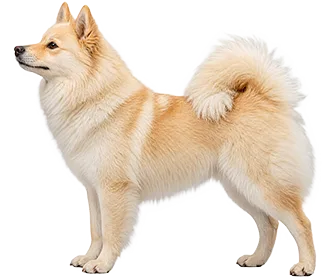
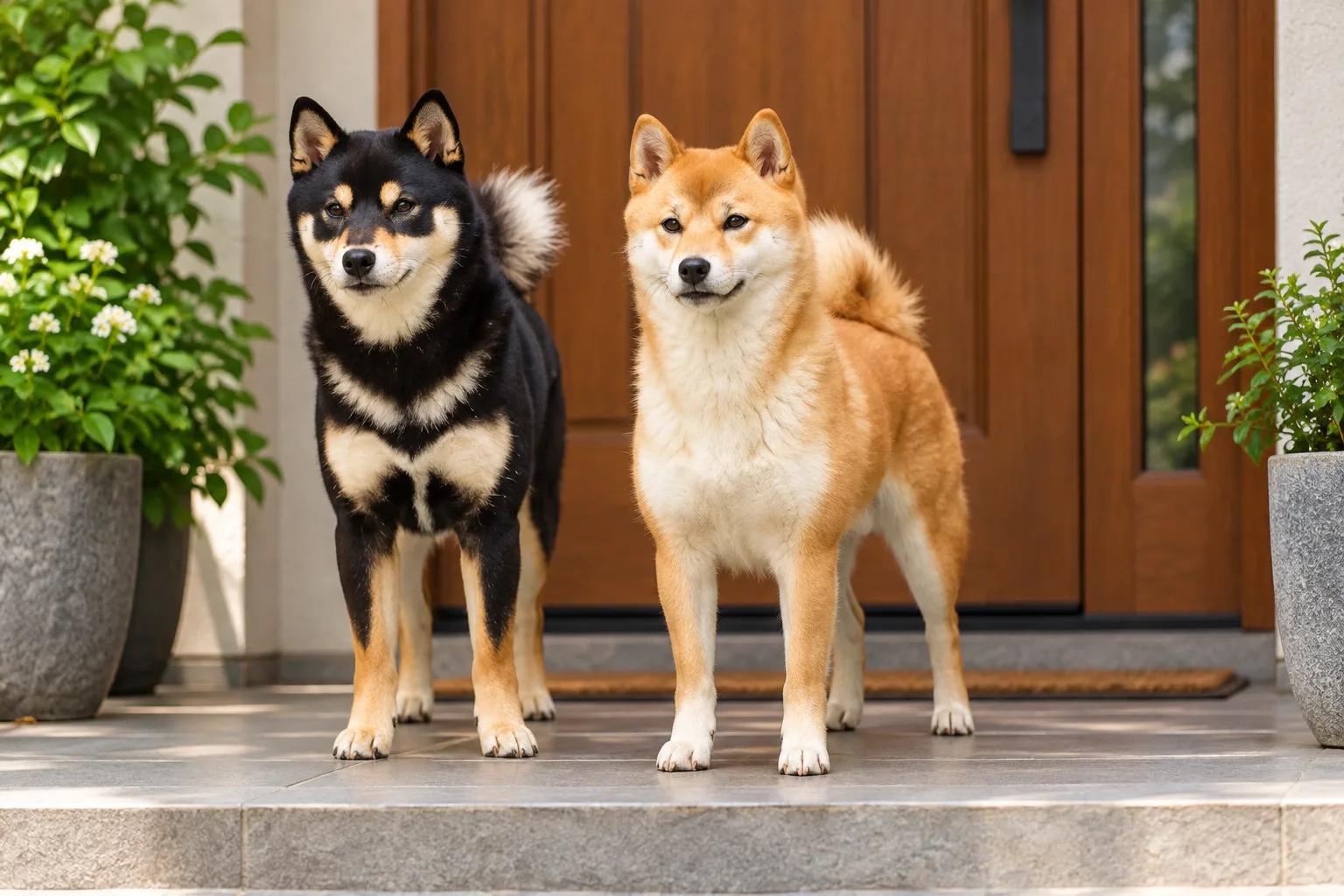
The Shiba Inu is a small, fox-like dog from Japan with a big, independent personality. It's clean, quiet most of the time, and often described as having a cat-like attitude toward life.
1. A Loyal Family Companion
Shibas are loyal to their families, but they show it quietly rather than through constant cuddles. They're usually reserved with strangers.
Is the Shiba Inu Right for You?
Ideal Home / Owner
Patient, experienced owners who appreciate an independent dog and can keep it safely on a leash or in a secure area. Best in cooler homes or with good indoor cooling.
Care Tips
- Keep on a leash or in a securely fenced area
- Brush weekly, daily during shedding season
- Walk at cool times of day in summer
- Practise handling paws and ears from puppyhood
- Use high-value treats for training
- Watch for signs of skin allergies
Shiba Inu History
The Shiba Inu is an ancient Japanese hunting breed, small and agile, with a fox-like face and a bold, independent personality. Saved from near extinction after the Second World War, it's now loved worldwide for its striking looks and spirited character.
Shibas are loyal but reserved, clean in their habits, and challenging to train, which makes them better suited to patient, experienced owners. In India, they need a secure home, careful heat management, and plenty of brushing during shedding season.
Diet
Shibas are compact and active, and they do well on a quality diet in moderate portions. They can be prone to food allergies, so a simple, consistent diet often works best.
1. Feed a Quality Small-to-Medium Breed Diet
Feed a quality small-to-medium breed diet, split into two meals a day.
2. Watch for Food Allergies
Watch for signs of food allergies such as itchy skin, and keep fresh water available at all times.
Bold and Independent
Shibas carry themselves with confidence and like to do things on their own terms. Their thick double coat makes them happier in cooler weather, so in Indian summers they need shade, water, and walks only at the coolest times.
Training
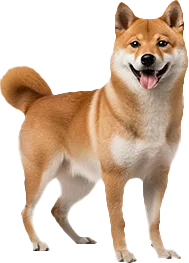
Shibas are intelligent but very independent, so training takes patience and lots of rewards. Reliable recall is especially hard with this breed, and many should never be off-leash in open areas.
1. Start Early Socialisation
Early socialisation helps Shibas accept handling, visitors, and other dogs, and it reduces the dramatic "Shiba scream" some make when unhappy.
Grooming
The coat is easy to care for most of the year, but shedding season is intense.
1. Brush Weekly, Daily When Shedding
A slicker brush or undercoat rake keeps loose fur under control.
2. Get Them Used to Handling
Shibas often dislike nail trims and baths, so practise gentle handling from puppyhood.

Health
Shibas are generally healthy, but they can be prone to allergies, patellar luxation, hip dysplasia, and eye conditions such as glaucoma.
1. Watch for Itchy Skin
Constant scratching, licking paws, or red skin can point to allergies. A vet can help find the cause and the right diet or treatment.