Indian Spitz
 India
India
Breed Traits
About
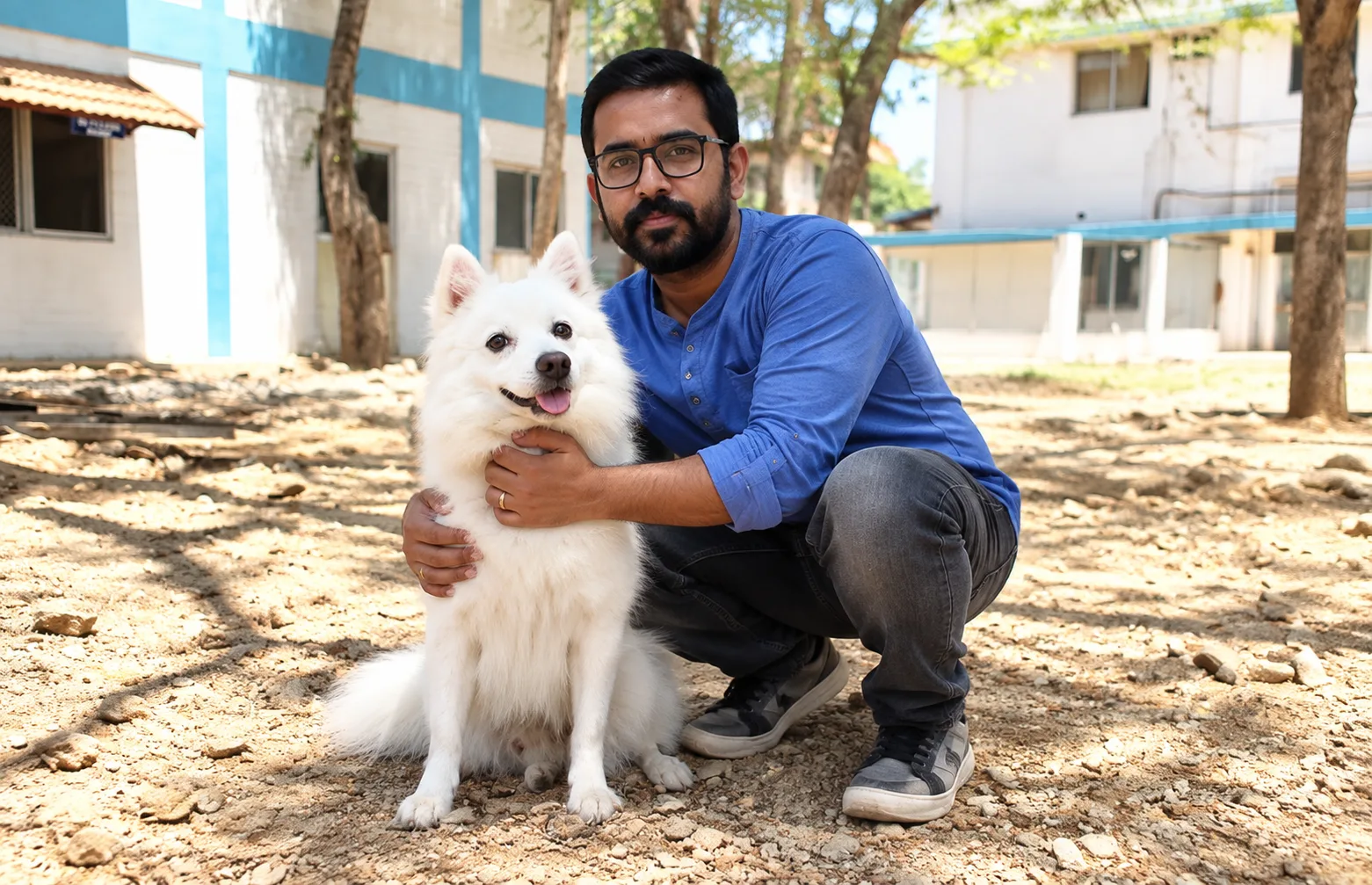
The Indian Spitz is a fluffy, bright-eyed companion dog that was one of the most common family pets in Indian homes for decades. It's alert, playful, and much better suited to Indian weather than most double-coated breeds.
1. A Loyal Family Companion
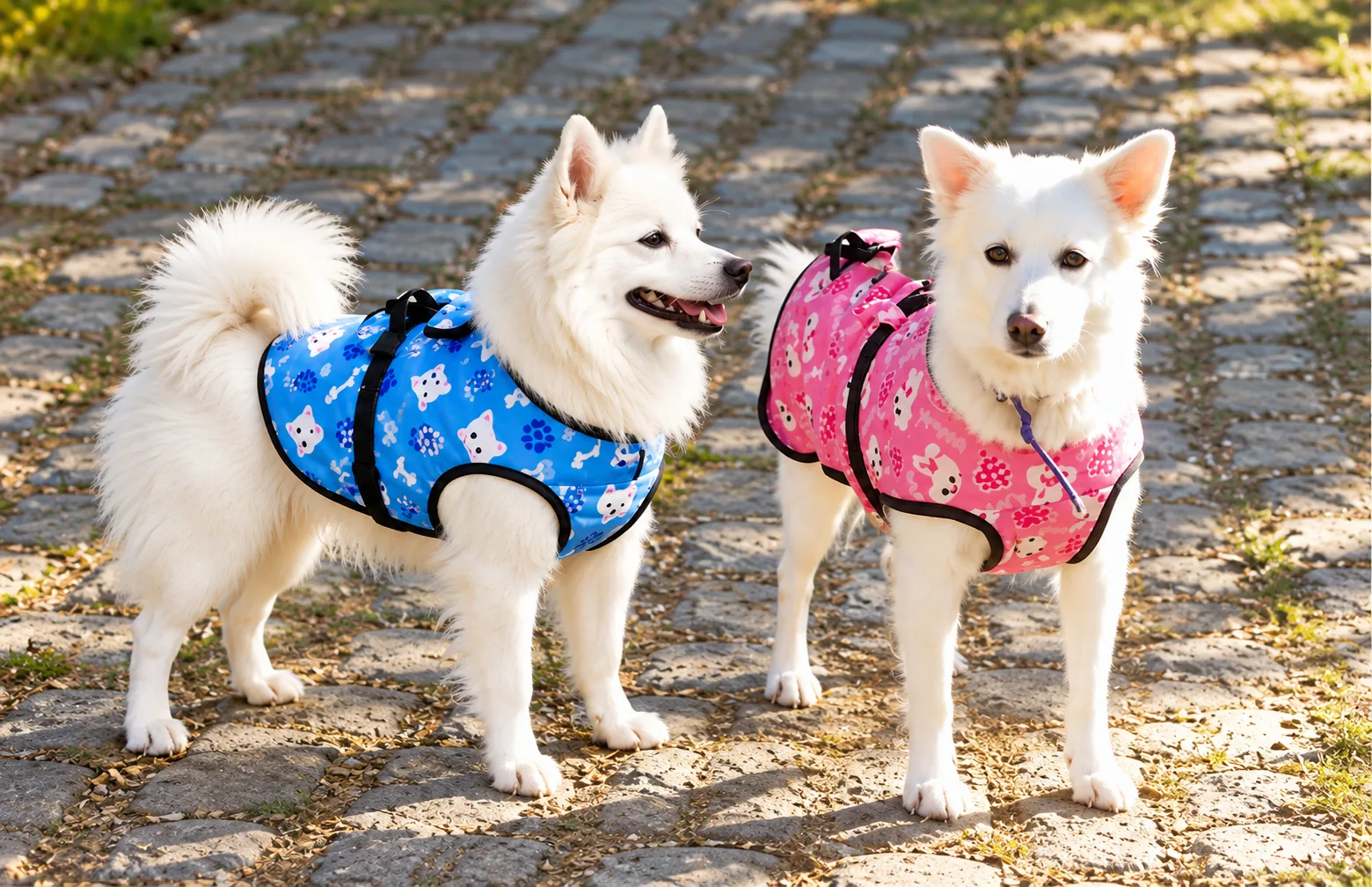
Indian Spitz dogs are devoted to their families and naturally watchful, making them good little watchdogs. They're usually reserved with strangers until they get to know them.
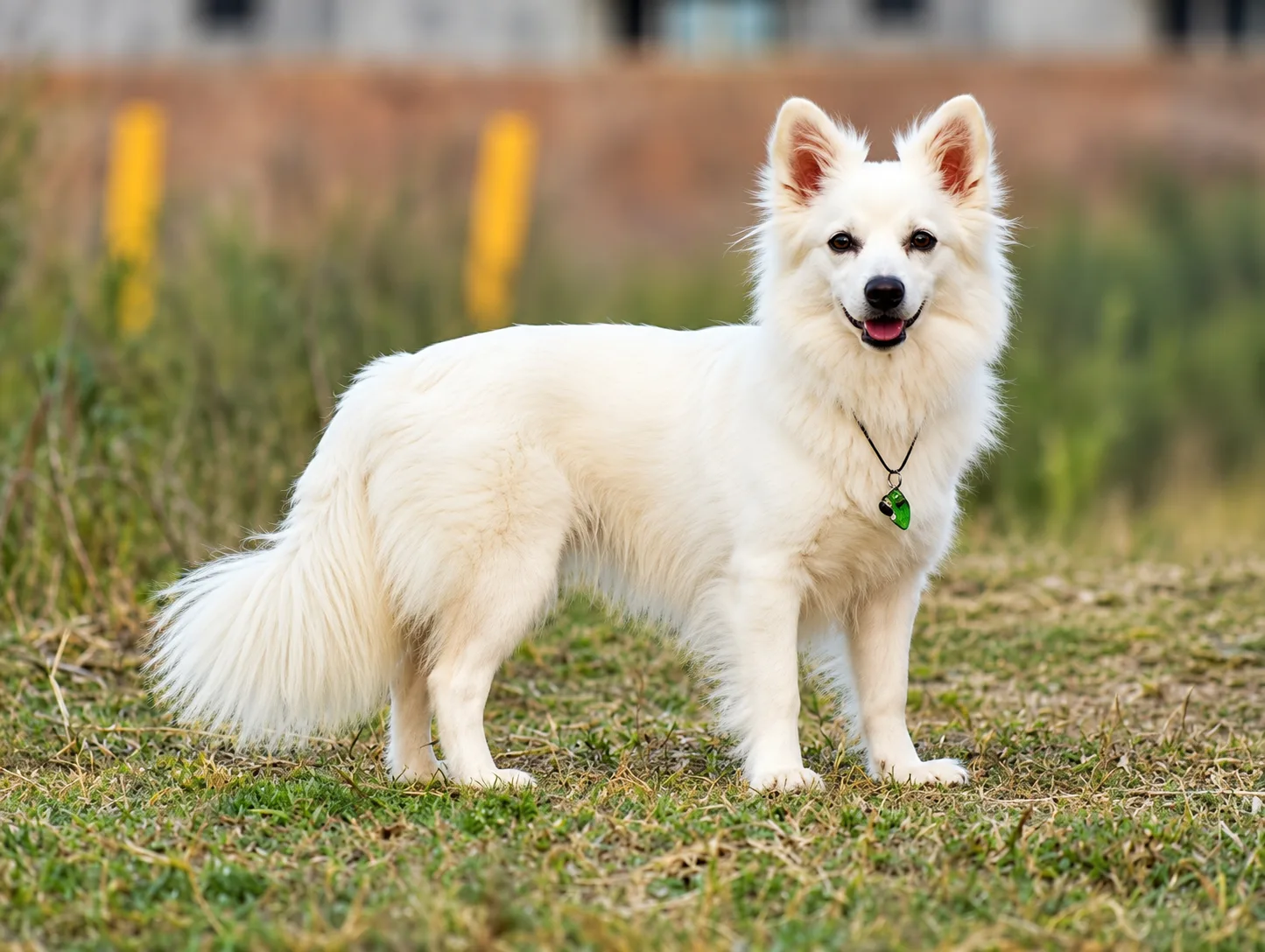
Is the Indian Spitz Right for You?
Ideal Home / Owner
Families and first-time owners who want an alert, affectionate, affordable companion that copes well with Indian weather. Works in both apartments and houses.
Care Tips
- Brush two or three times a week
- Walk 30 to 45 minutes daily at cooler times
- Work on barking control early
- Keep the coat dry during monsoon
- Provide shade and plenty of water in summer
- Schedule regular vet checkups for knees and eyes
Indian Spitz History
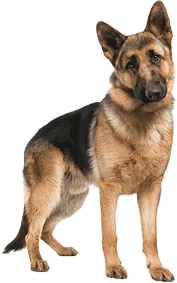
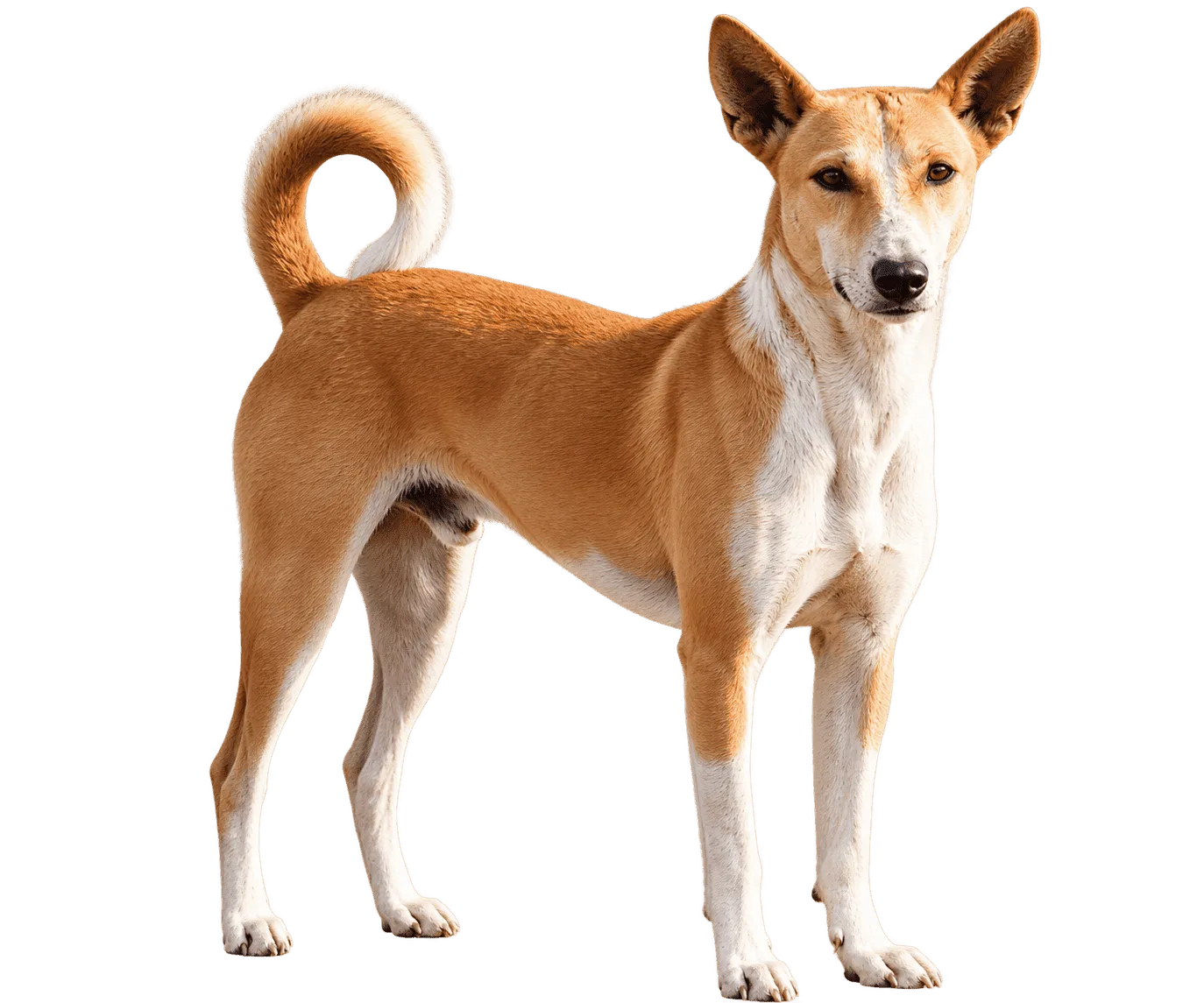
The Indian Spitz traces its roots back to the time of British rule, when European Spitz-type dogs, likely including the German Spitz, were brought to India. Over the following decades, these dogs were breed and adapted locally, slowly becoming a distinct type suited to Indian homes and weather.
Indian breeders focused on dogs that were easy to keep, alert enough to act as watchdogs, and able to handle the heat far better than their European ancestors. The result was a fluffy, fox-faced dog that looked like a Spitz but was tough enough for Indian summers.
The breed's real boom came in the 1980s and 1990s, when it became one of the most common family dogs in the country. Foreign breeds were hard to find and expensive at the time, so the Indian Spitz filled that gap perfectly, and many people who grew up in that era remember one as their first family pet.
Its popularity dipped as imported breeds became easier to buy, and the Indian Spitz is still often mistaken for a Pomeranian. Interest is now growing again as more Indians appreciate native and locally developed breeds, and the Indian Spitz is getting fresh recognition as an affordable, hardy companion well suited to life in India.
Diet
Indian Spitz dogs are active and easy to feed, but they can gain weight if portions aren't controlled. A balanced diet suited to their size works well.
1. Feed a Balanced Diet Suited to Size
Feed a balanced small or medium-breed diet depending on size, split into two meals a day.
2. Limit Treats and Table Scraps
Limit treats and table scraps, and keep fresh water available, especially in summer.
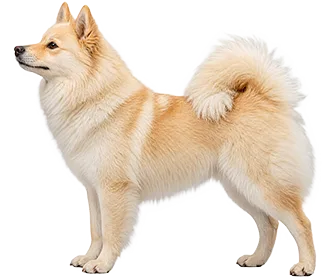
Fluffy and Fearless
The Indian Spitz is lively, quick, and always watching what's going on around the house. Despite its fluffy coat, it has adapted well to Indian heat over generations, though it still needs shade, water, and cool resting spots in peak summer.
Training
Indian Spitz dogs are intelligent and quick to learn, and they generally respond well to positive training. Early work on barking helps a lot, since they're naturally vocal.
1. Start Early Socialisation
Introduce puppies to visitors, children, and other dogs early so their natural alertness doesn't turn into nervousness or constant barking.
Grooming
The double coat needs regular brushing to stay healthy and tangle-free.
1. Brush Two or Three Times a Week
A slicker brush keeps loose undercoat under control and prevents matting, especially behind the ears.
2. Bathe Only When Needed
Too many baths can dry out the skin, so once every few weeks is usually enough.
Health
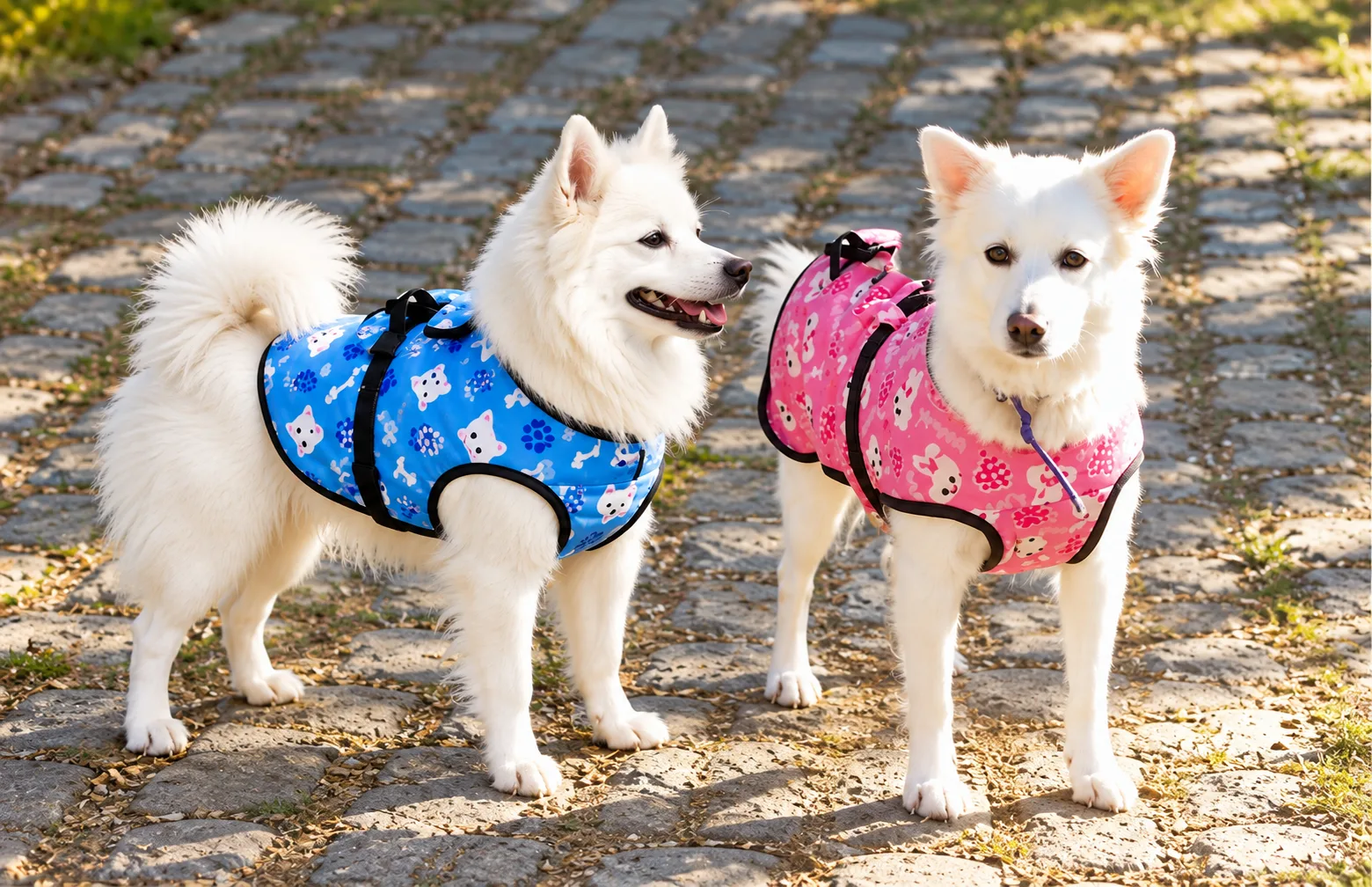
Indian Spitz dogs are generally hardy and healthy, partly because they've adapted to local conditions over generations. Patellar luxation, eye problems, and skin issues in humid weather are the main things to watch.
1. Check the Skin in Monsoon
Humidity can trap moisture in the thick coat, so keep your dog dry after rain and check for itching, redness, or hot spots.