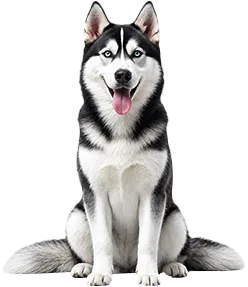
Maltese
 Malta (Mediterranean)
Breed Traits
About
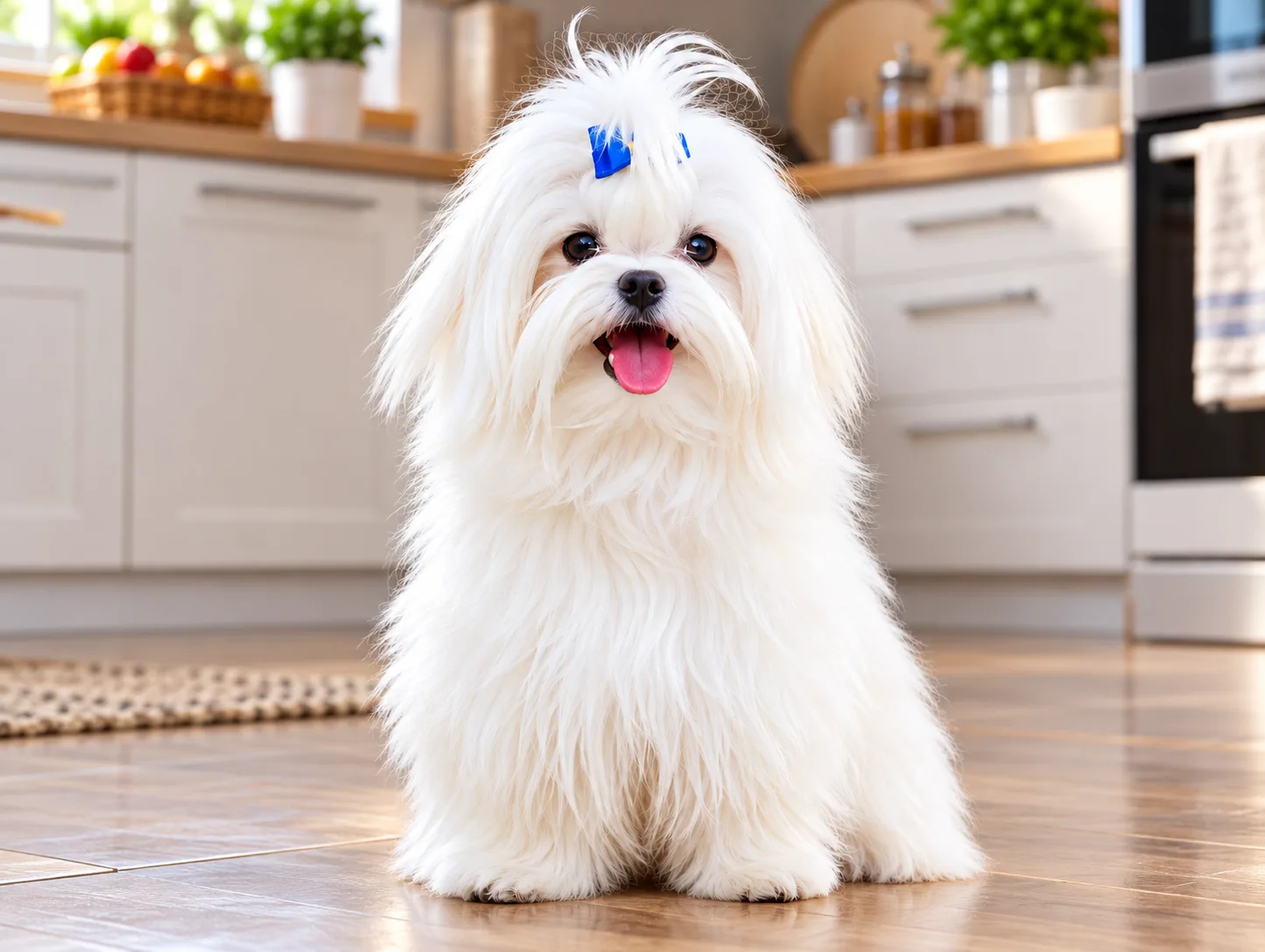
The Maltese is a tiny, elegant toy dog with a silky white coat and a sweet, lively personality. It's been a lap dog for thousands of years and still takes the role very seriously.
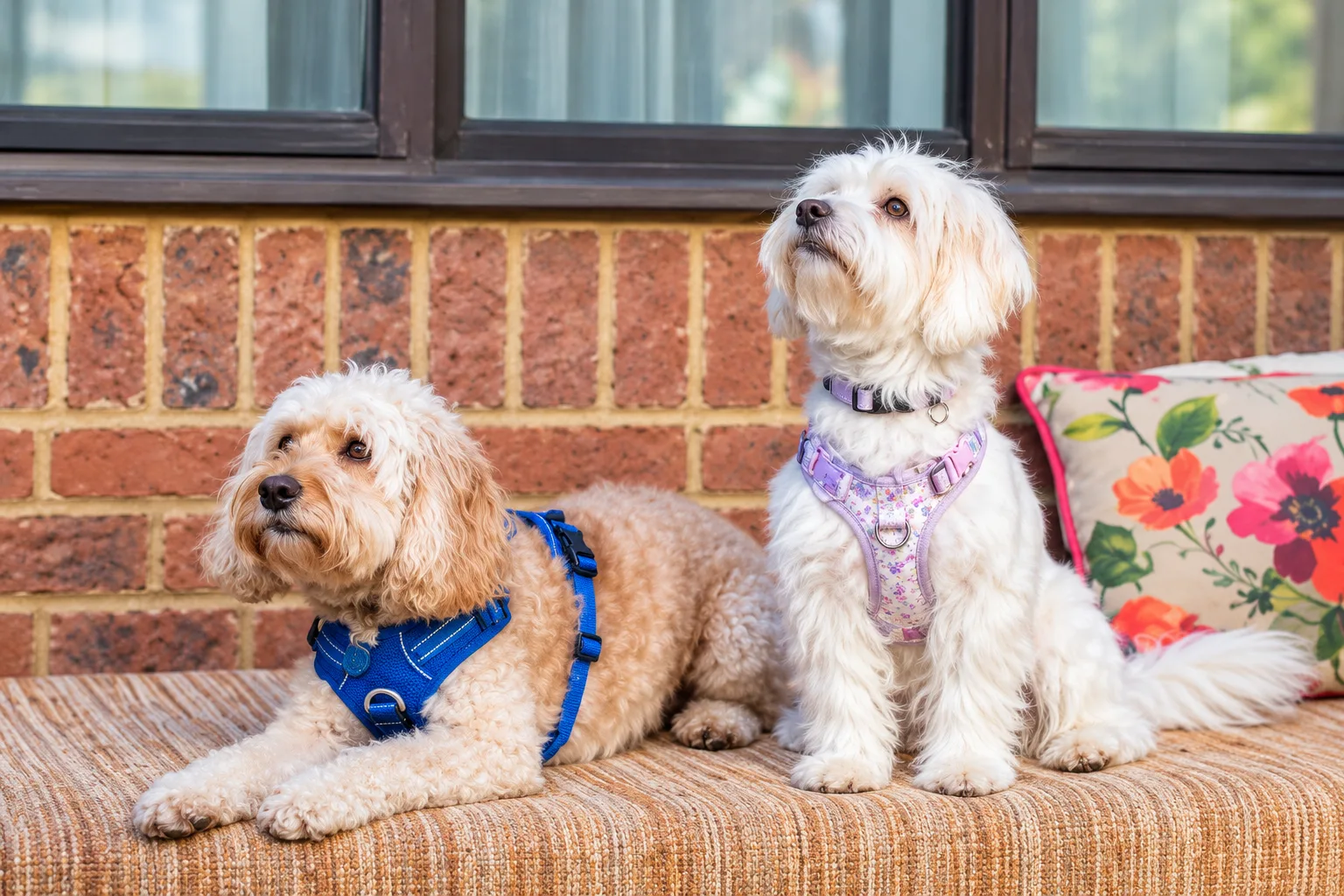
1. A Loyal Family Companion
Maltese dogs bond closely with their people and love being held, carried, and included. They can be quite brave for their size and will bark at anything unusual.
Is the Maltese Right for You?
Ideal Home / Owner
Adults, seniors, or families with older children who want a devoted indoor companion and can manage regular grooming. Best for owners who are home often.
Care Tips
- Brush daily or keep a short trim
- Wipe the eyes every day to manage staining
- Brush teeth several times a week
- Handle gently, as they're small and delicate
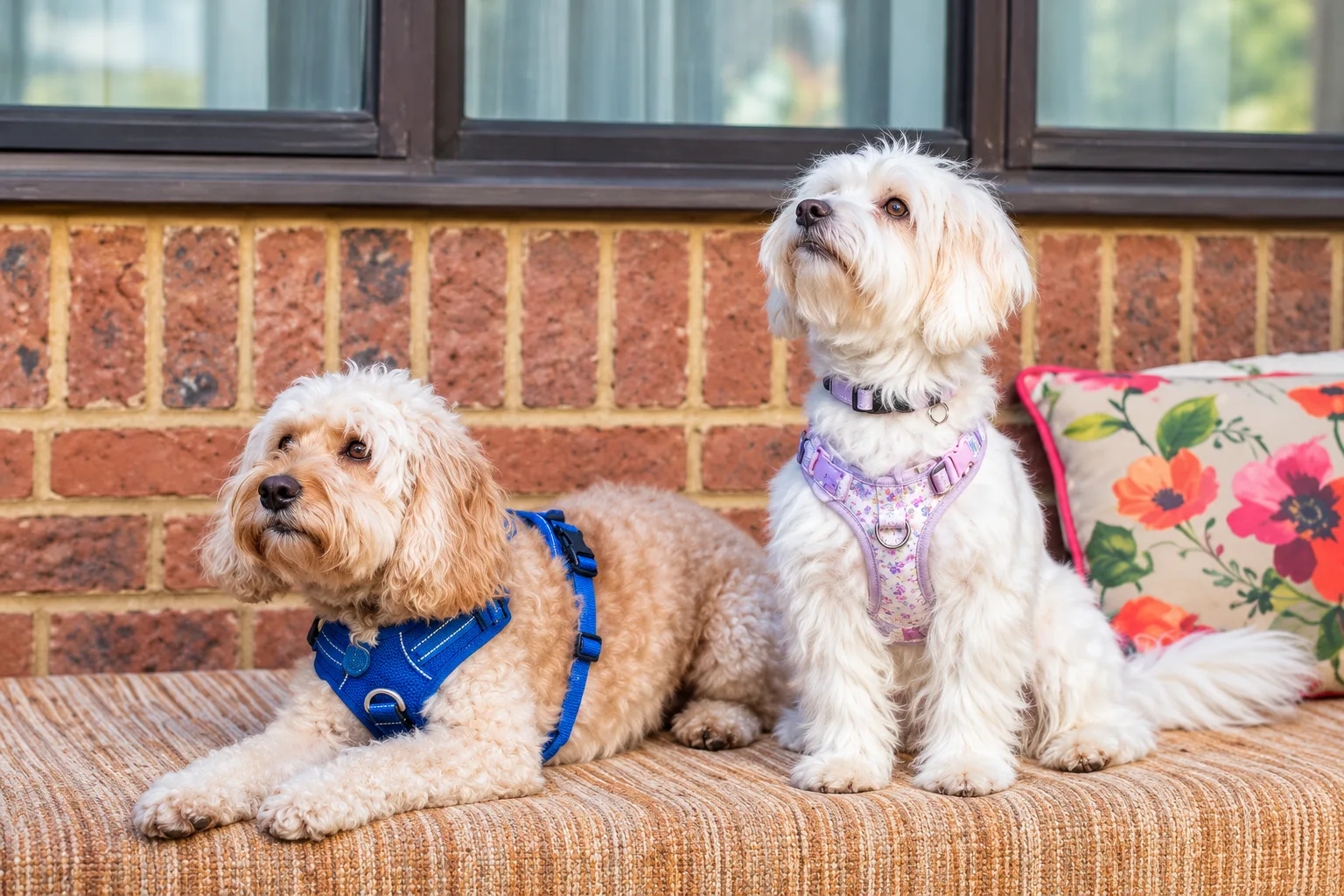
- Use a harness rather than a collar
- Don't leave them alone for long hours
Maltese History
The Maltese is an ancient toy breed from the Mediterranean, prized for thousands of years as a companion to nobility and royalty. With its silky white coat and sweet, lively personality, it's one of the most elegant small dogs around.
Maltese dogs are affectionate, low-shedding, and perfectly suited to apartment life, though they need regular grooming, dental care, and gentle handling. In Indian homes, they make loving companions for owners who can give them plenty of time and attention.
Diet
Maltese dogs need only small amounts of food, but quality matters. Tiny dogs can also have dips in blood sugar, so regular meals are important, especially for puppies.
1. Feed a Quality Toy-Breed Formula
Feed a quality toy-breed formula with small kibble, given as small meals two or three times a day.
2. Keep Treats Tiny and Limited
Keep treats tiny and limited, and use a stainless steel or ceramic bowl to help reduce face staining.
Small and Spirited
The Maltese is gentle and affectionate but also playful and surprisingly bold. Its single coat has no undercoat, so it handles mild heat reasonably well indoors, but it feels the cold and needs shade and water during hot Indian afternoons.

Training
Maltese dogs are smart and eager to please, but house training can be slow, as with many toy breeds. Gentle, consistent training with rewards works best.
1. Start Early Socialisation
Early socialisation helps prevent the nervousness and "small dog" barking that can develop when tiny dogs are carried everywhere and never meet new things.
Grooming
The white silky coat is beautiful but needs regular care to stay clean and tangle-free.
1. Brush Daily or Keep a Short Trim
Brush a long coat every day, or keep a short puppy cut with a groomer visit every 6 to 8 weeks.
2. Manage Tear Stains
Wipe around the eyes daily with a damp cloth to reduce reddish-brown staining.
Health
Maltese dogs are generally long-lived, but they can be prone to dental disease, patellar luxation, tear staining, and a condition called white shaker syndrome, which causes tremors.
1. Brush Their Teeth
Small mouths crowd teeth together, so regular brushing and dental checkups help prevent painful dental disease later in life.