Siberian Husky
 Siberia
Breed Traits
About
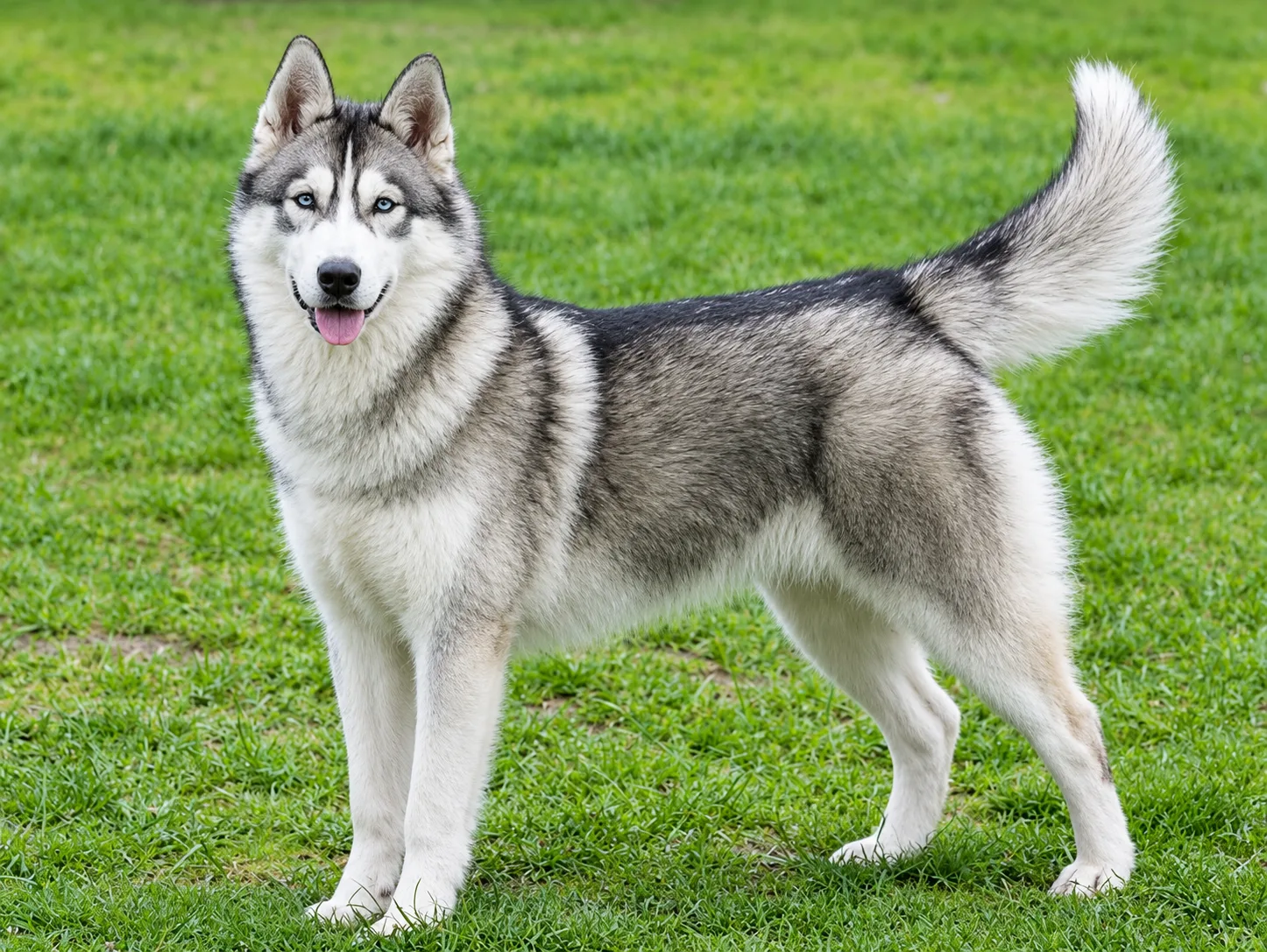
The Siberian Husky is a striking working dog built to pull sleds across frozen land for hours at a time. With its wolf-like looks, bright eyes, and endless energy, it's one of the most eye-catching breeds around, and one of the most demanding.
1. A Loyal Family Companion
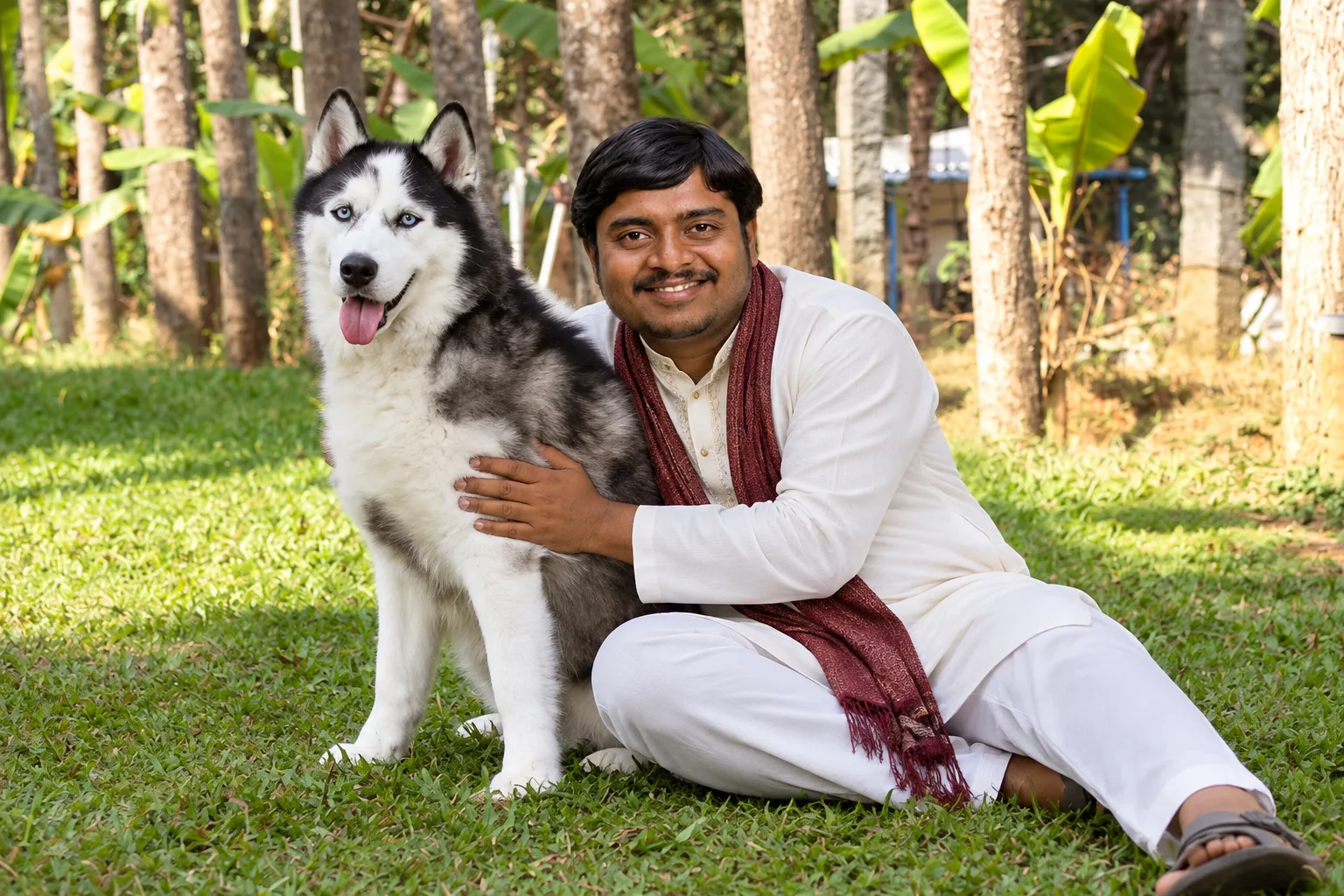
Huskies are friendly with almost everyone, which makes them affectionate pets but poor guard dogs. They love company and don't enjoy being left alone.
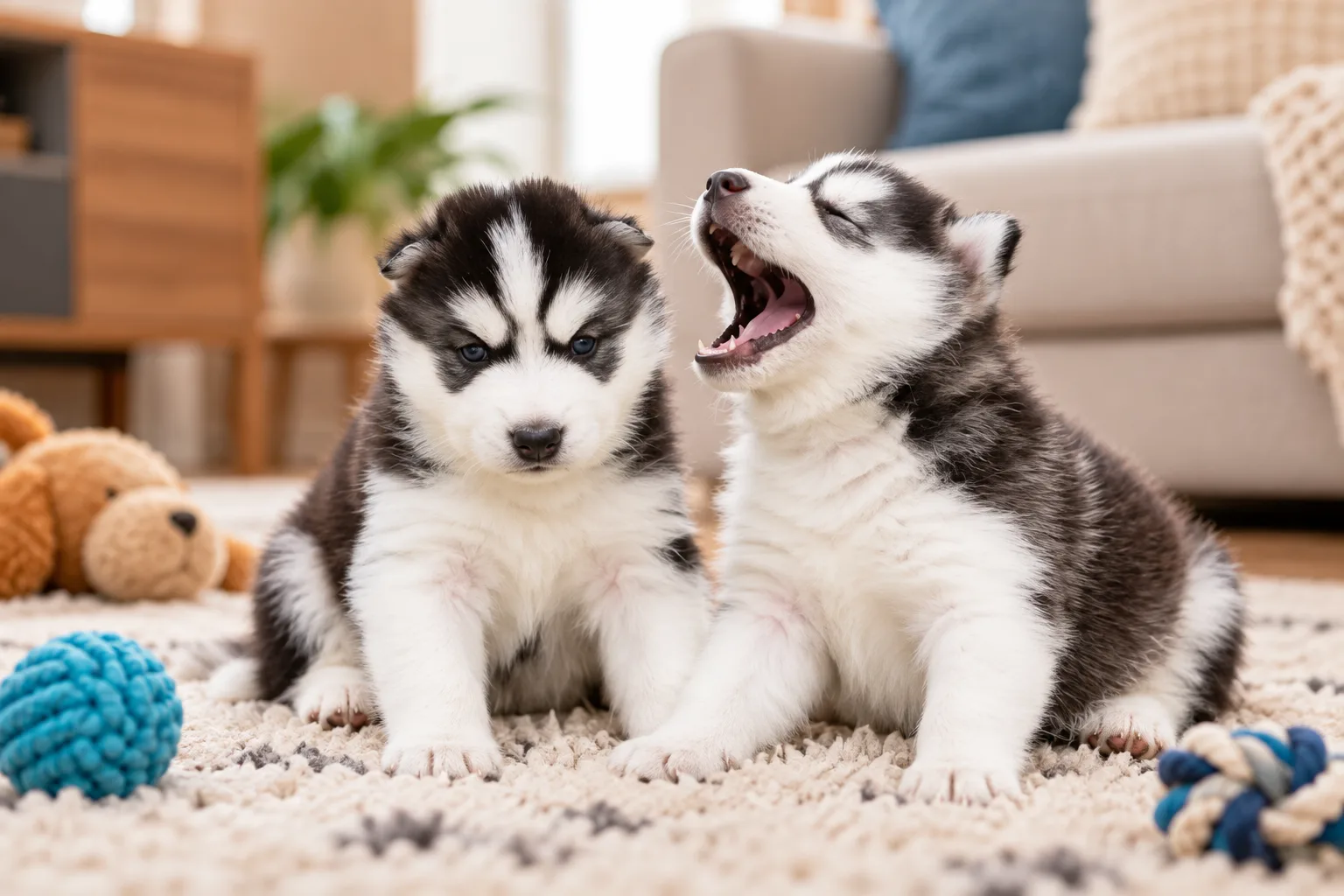
Is the Siberian Husky Right for You?
Ideal Home / Owner
Experienced, active owners in cooler regions, or homes with reliable air-conditioning, who can provide intense daily exercise and a secure, escape-proof space.
Care Tips
- Keep in an air-conditioned space during hot months
- Exercise only in the coolest hours of the day
- Brush several times a week, daily during shedding
- Never shave the coat
- Secure fences and gates, as Huskies are escape artists
- Give them plenty of company and mental stimulation
Siberian Husky History
The Siberian Husky was developed by the Chukchi people of northeastern Siberia, who lived in one of the harshest climates on earth. They needed dogs that could pull light loads over long distances in freezing temperatures while eating very little, and over generations they breed exactly that.
These dogs were part of family life as well as working life. They often slept alongside the Chukchi and helped keep children warm, which may explain why Huskies are still so friendly with people today and so unsuited to being guard dogs.
Huskies arrived in Alaska in the early 1900s for sled racing, and they became famous in 1925 during the "serum run" to Nome. Teams of sled dogs, including Huskies led by dogs like Togo and Balto, relayed life-saving medicine across hundreds of kilometres of frozen land to stop a diphtheria outbreak.
Today the Husky is popular worldwide as a family dog, and its striking looks have made it fashionable in India too. Many Indian vets and rescuers now urge caution, because a breed built for Siberian winters struggles badly in Indian heat, and too many Huskies end up surrendered once owners realise how much care they need.
Diet
Huskies are surprisingly efficient eaters and often need less food than you'd expect for their size. Their needs rise with activity, so portions should match how much exercise they actually get.
1. Feed a High-Quality, Protein-Rich Diet
Feed a high-quality, protein-rich diet and adjust portions to activity level, split into two meals a day.
2. Keep Plenty of Cool, Fresh Water Available
Keep plenty of cool, fresh water available at all times.
Built for Snow
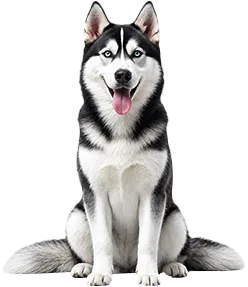
Huskies are cheerful, adventurous, and always ready to run. Their thick double coat was made for sub-zero temperatures, so most Indian cities are genuinely hard on them, and they need air-conditioning and very careful summer management to stay safe.
Training
Huskies are intelligent but famously independent, and they don't see much point in obeying a command if something more interesting is happening. Patience and consistency are essential.
1. Start Early Socialisation
Early socialisation helps manage their strong prey drive around small animals and builds good manners with other dogs.
Grooming
The thick double coat needs regular brushing, and twice a year it sheds dramatically.
1. Brush Through the Undercoat
Use an undercoat rake two or three times a week, and daily during shedding season.
2. Never Shave the Coat
Shaving doesn't keep a Husky cool. The double coat actually helps insulate them, and shaving can lead to sunburn and coat damage.
Health
Huskies are generally healthy, but they can be prone to eye conditions such as cataracts and progressive retinal atrophy, as well as hip dysplasia. In India, heatstroke is the biggest everyday risk.
1. Watch for Heat Stress
Heavy panting, drooling, weakness, or stumbling are warning signs. Move your Husky somewhere cool immediately and contact your vet.