Burmese
 Burma
Burma
Breed Traits
About
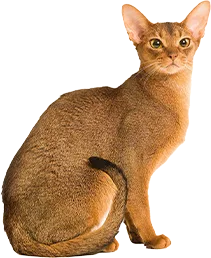
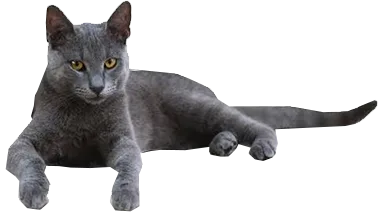
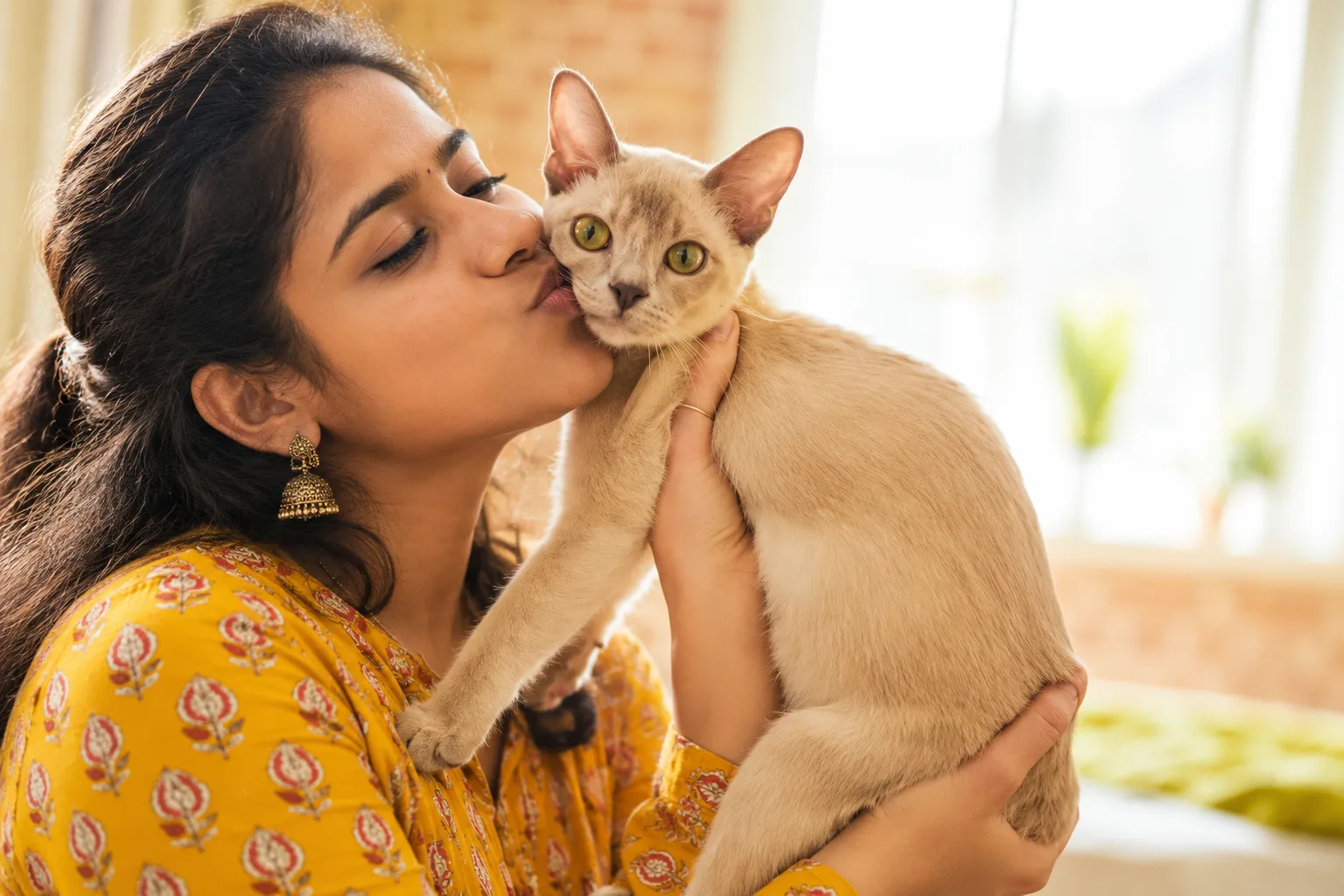
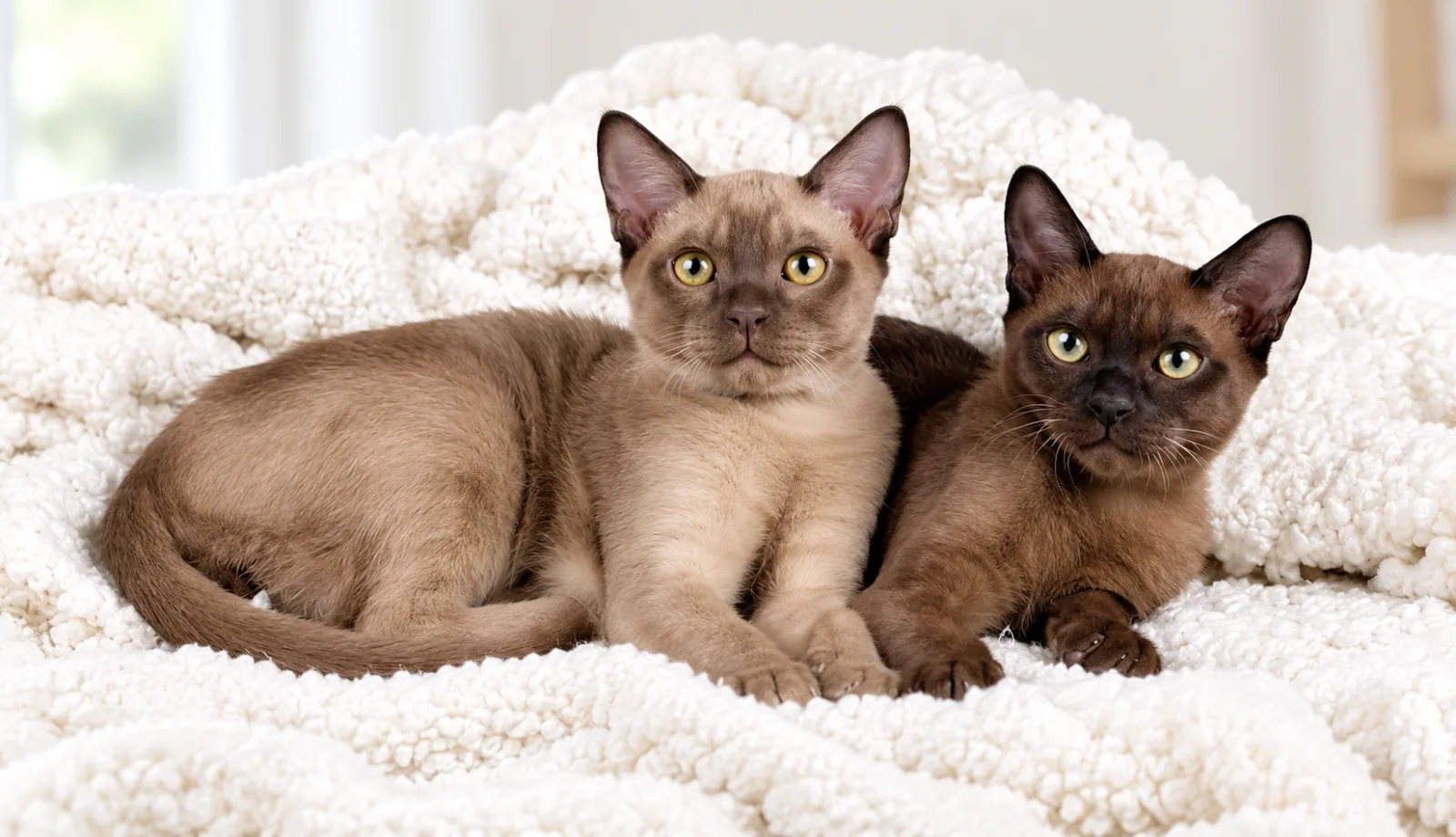
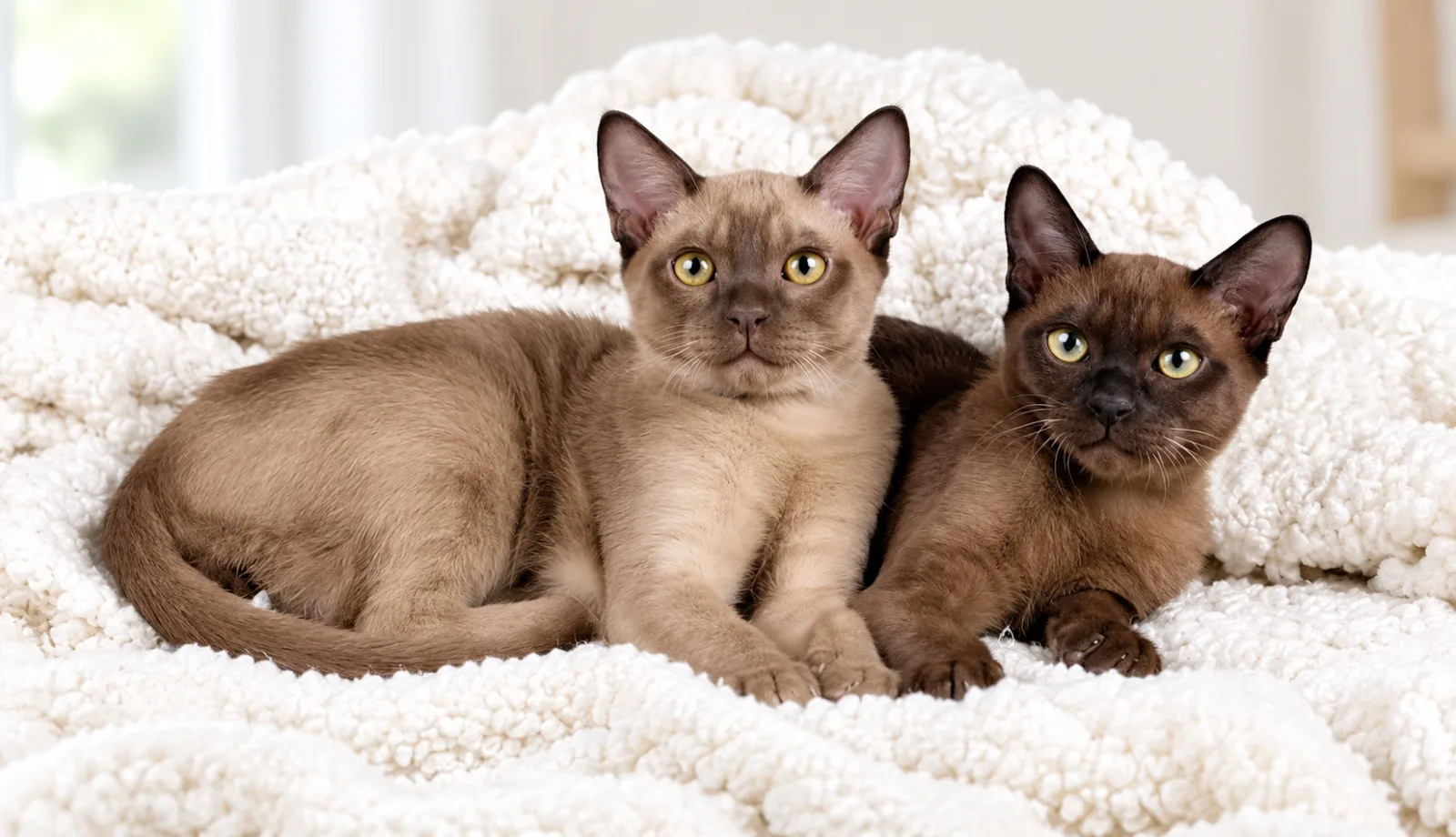
The Burmese is a compact, muscular cat with a glossy satin coat and big golden eyes. People often describe it as "a brick wrapped in silk," because it feels much heavier than it looks.
1. A Loyal Family Companion
Burmese cats are deeply attached to their people and want to be involved in everything, from work calls to bedtime. They're one of the most people-focused cat breeds and don't enjoy being alone for long.
Is the Burmese Right for You?
Ideal Home / Owner
Homes where someone is around most of the day, or where there's another pet for company. Great for families who want an interactive, affectionate cat.
Care Tips
- Give daily interactive play
- Don't leave them alone for long hours
- Measure meals to prevent weight gain
- Brush weekly with a soft cloth or mitt
- Keep them indoors and safe, as they're very trusting
- Schedule regular checkups, including blood sugar as they age
Burmese History
The Burmese is a compact, muscular cat with a glossy satin coat and striking golden eyes, developed in the United States from a cat brought over from Burma in 1930. It's famous for feeling heavier than it looks and for its warm, people-focused personality.
Playful, affectionate, and easy to groom, the Burmese suits families who want an interactive companion and can offer plenty of time together. Its short coat handles Indian warmth well, making it a practical and loving choice for many homes.
Diet
Burmese cats are muscular and active, but they love food and can put on weight easily. A protein-rich diet in measured portions keeps them lean and strong.
1. Feed a High-Protein, Quality Diet
Feed a high-protein, quality diet with real meat first, and measure meals rather than free-feeding.
2. Keep Treats Small
Keep treats small, as Burmese cats are persuasive beggars, and provide fresh water in a couple of spots around the home.
Silk-Coated Shadow
The Burmese follows its people from room to room and loves being part of the action. Its short, fine coat and Southeast Asian roots help it handle Indian warmth well, though it still appreciates a cool resting spot in peak summer.

Training
Burmese cats are bright and food motivated, and many learn to fetch, come when called, or walk on a harness. They enjoy training because it means time with you.
1. Start Early Socialisation
Burmese kittens are naturally confident, so early socialisation mostly helps them get used to visitors, other pets, and being handled for grooming and vet visits.
Grooming
The short, close-lying coat is one of the easiest to care for.
1. Polish the Coat
A quick weekly rub with a soft cloth or rubber mitt keeps the satin shine and removes loose hair.
Health
Burmese cats are generally healthy, but some lines are prone to diabetes, a muscle weakness condition called hypokalaemia, and a painful mouth condition known as feline orofacial pain syndrome. Keeping them at a healthy weight lowers the diabetes risk.
1. Watch Thirst and Weight
Drinking and urinating more than usual, or losing weight despite a good appetite, can be early signs of diabetes and are worth a vet visit.