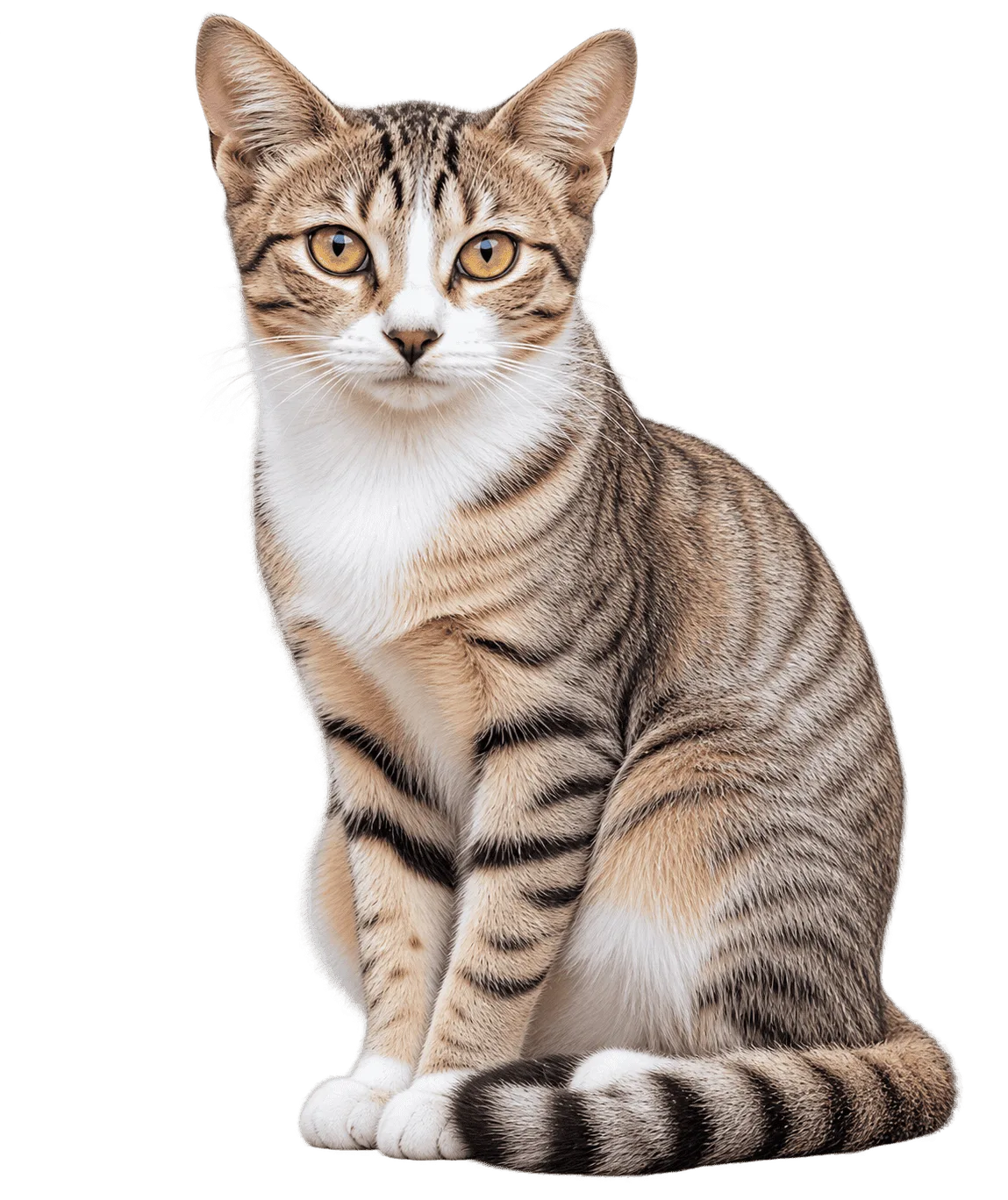
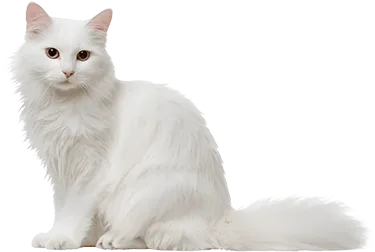
Norwegian Forest Cat
 Norway
Breed Traits
About
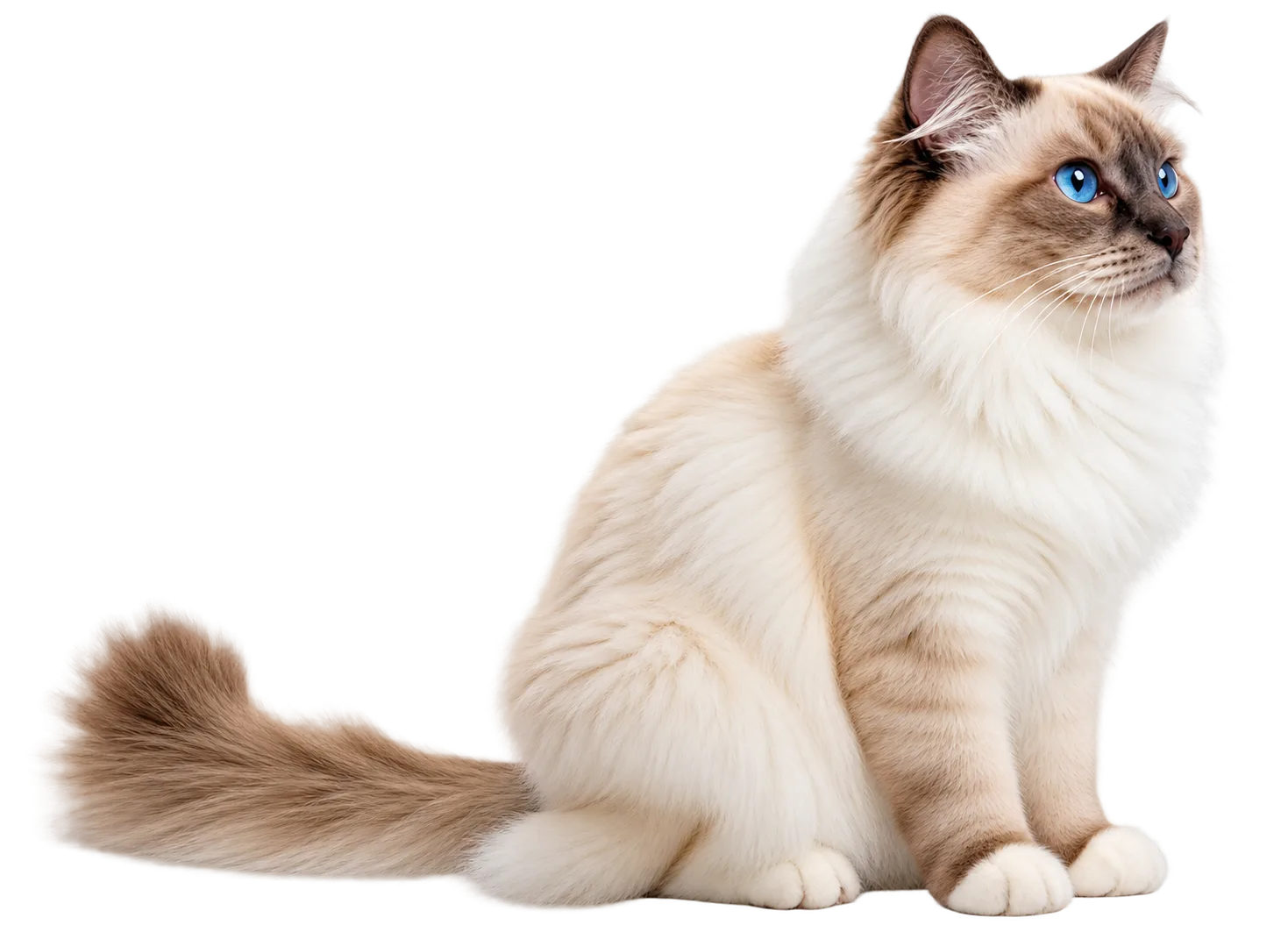
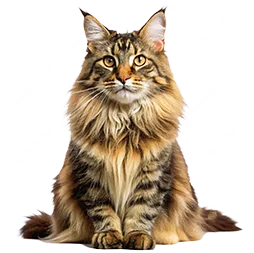
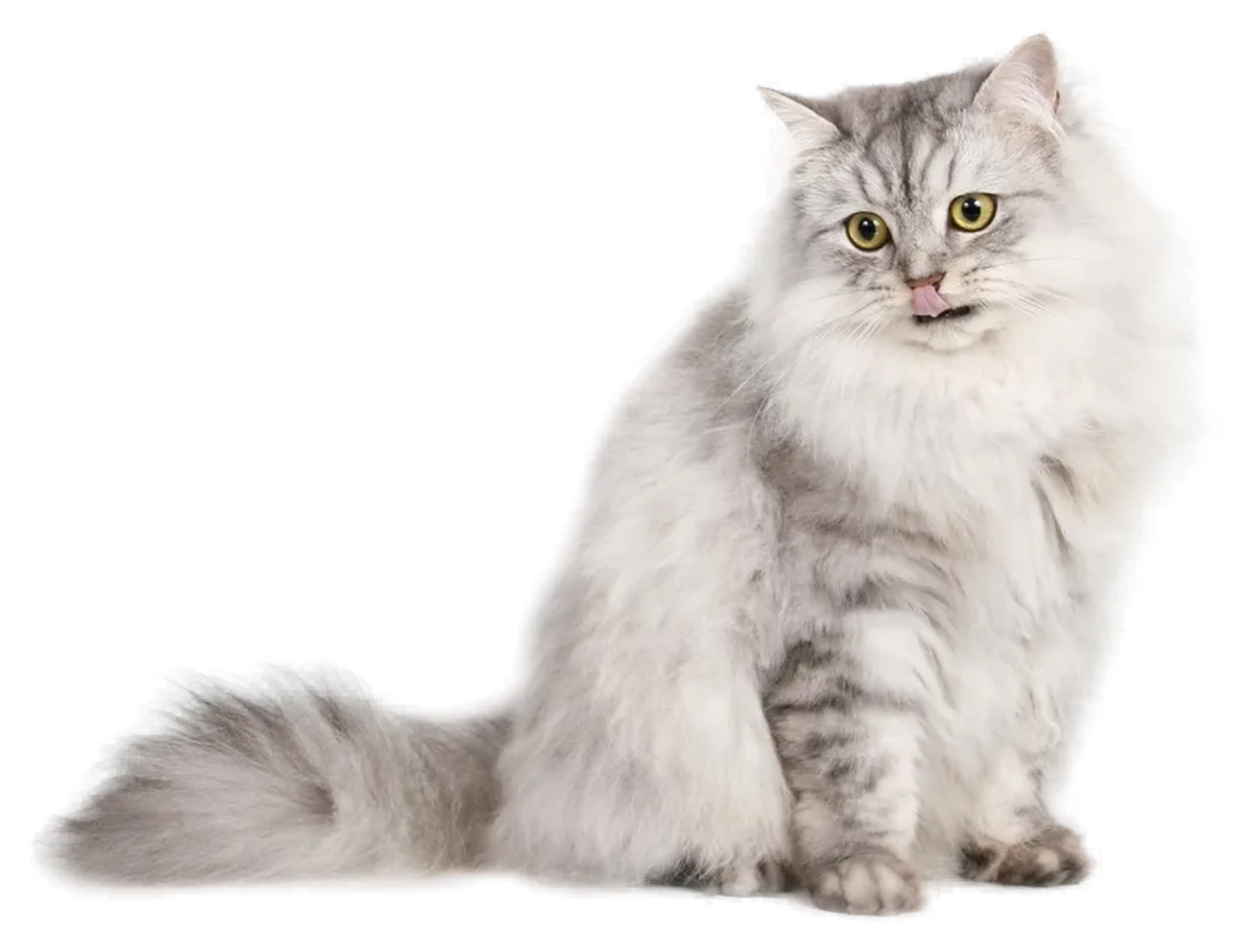
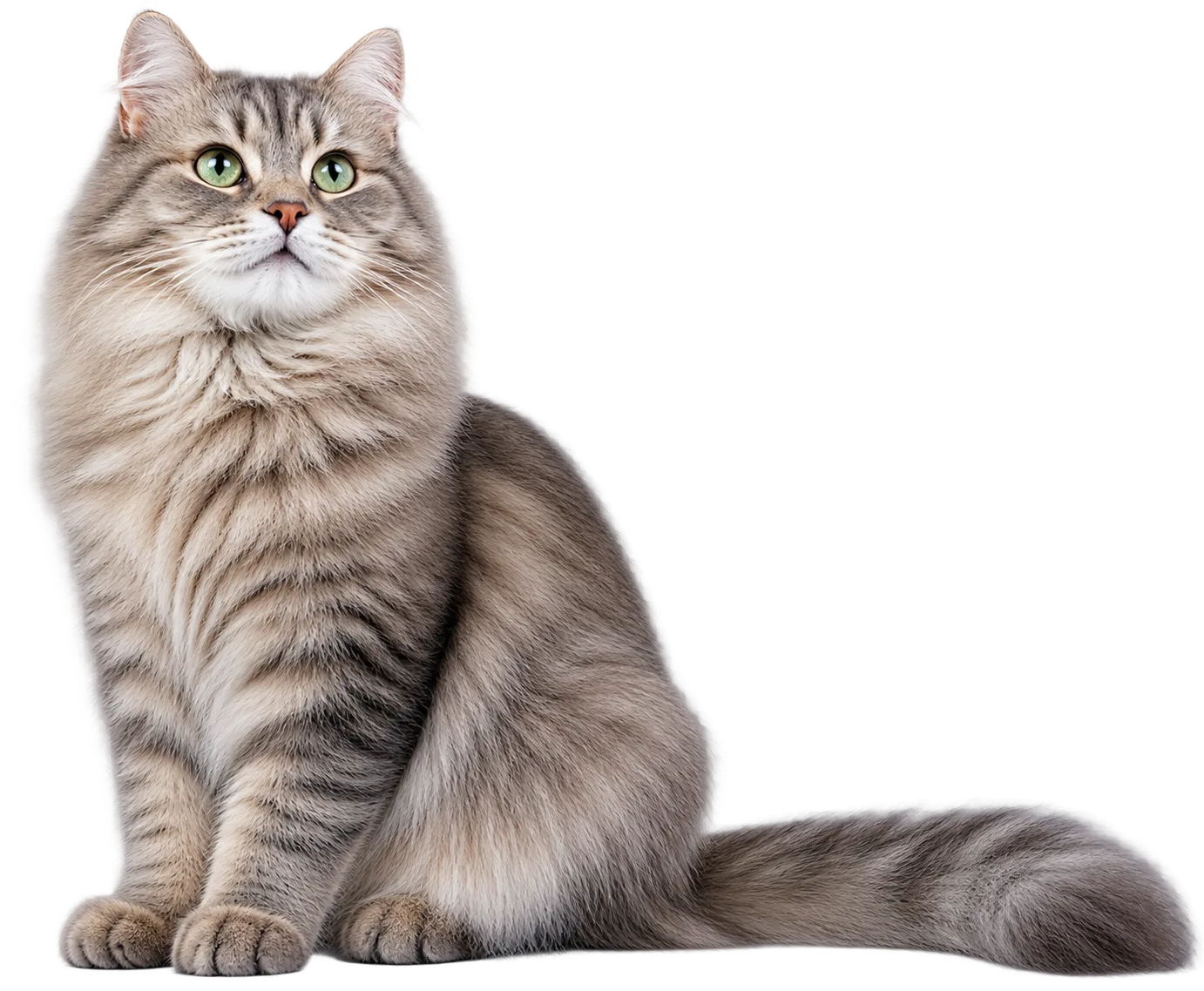
The Norwegian Forest Cat is a big, fluffy cat built for Scandinavian winters, with a thick waterproof coat, tufted ears, and a love of climbing. It's gentle and friendly, but with a bit of a wild, outdoorsy spirit.
1. A Loyal Family Companion
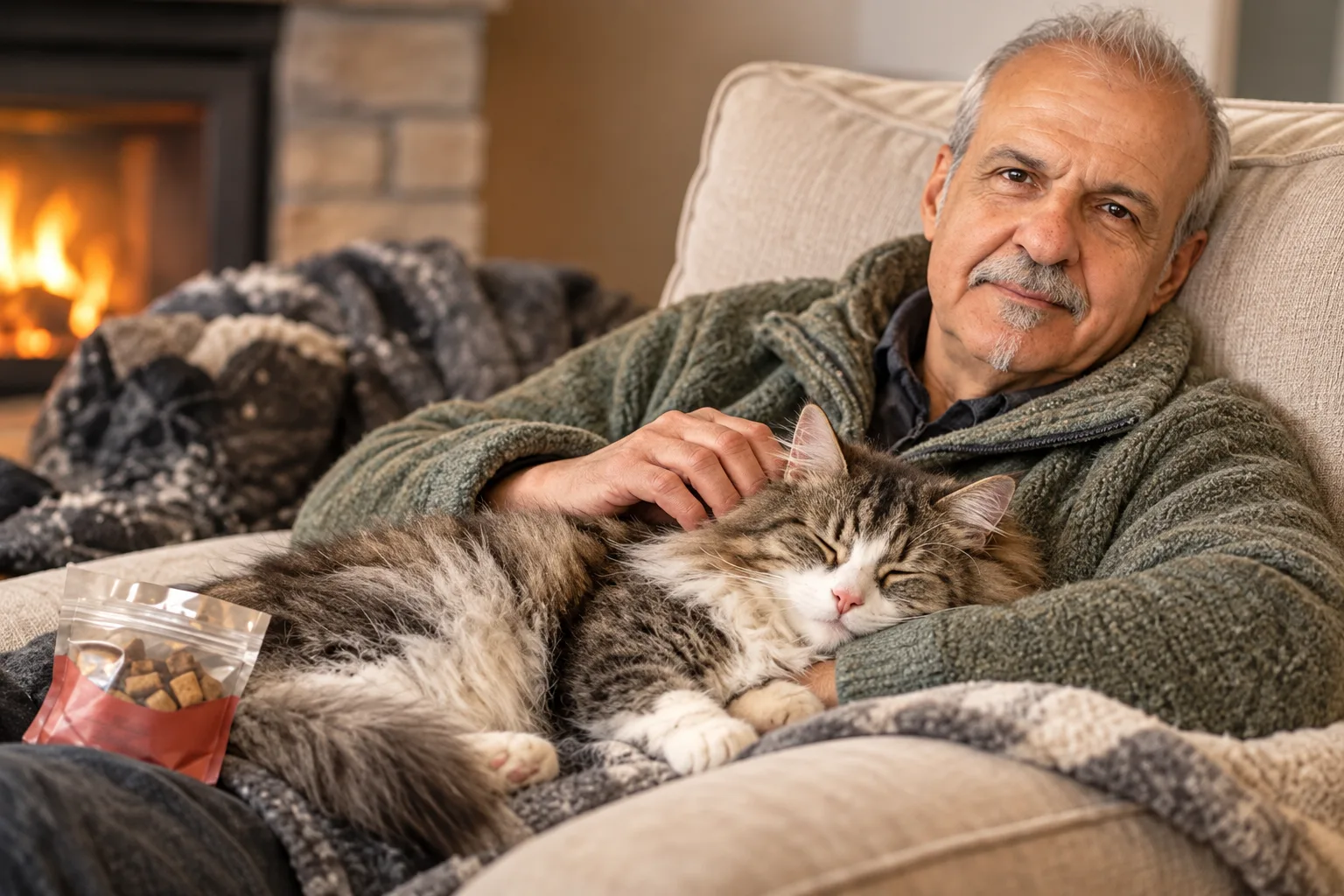
Norwegian Forest Cats enjoy their family's company without being clingy. They're usually patient with children and get along well with other pets.
Is the Norwegian Forest Cat Right for You?
Ideal Home / Owner
Cooler homes, or homes with reliable air-conditioning, where owners can keep up with grooming and offer tall cat trees for climbing.
Care Tips
- Keep in a cool or air-conditioned space during summer
- Brush twice a week, daily when shedding
- Provide tall cat trees and high perches
- Measure meals as they grow slowly
- Schedule heart checkups as they age
- Never shave the coat to cool them down
Norwegian Forest Cat History
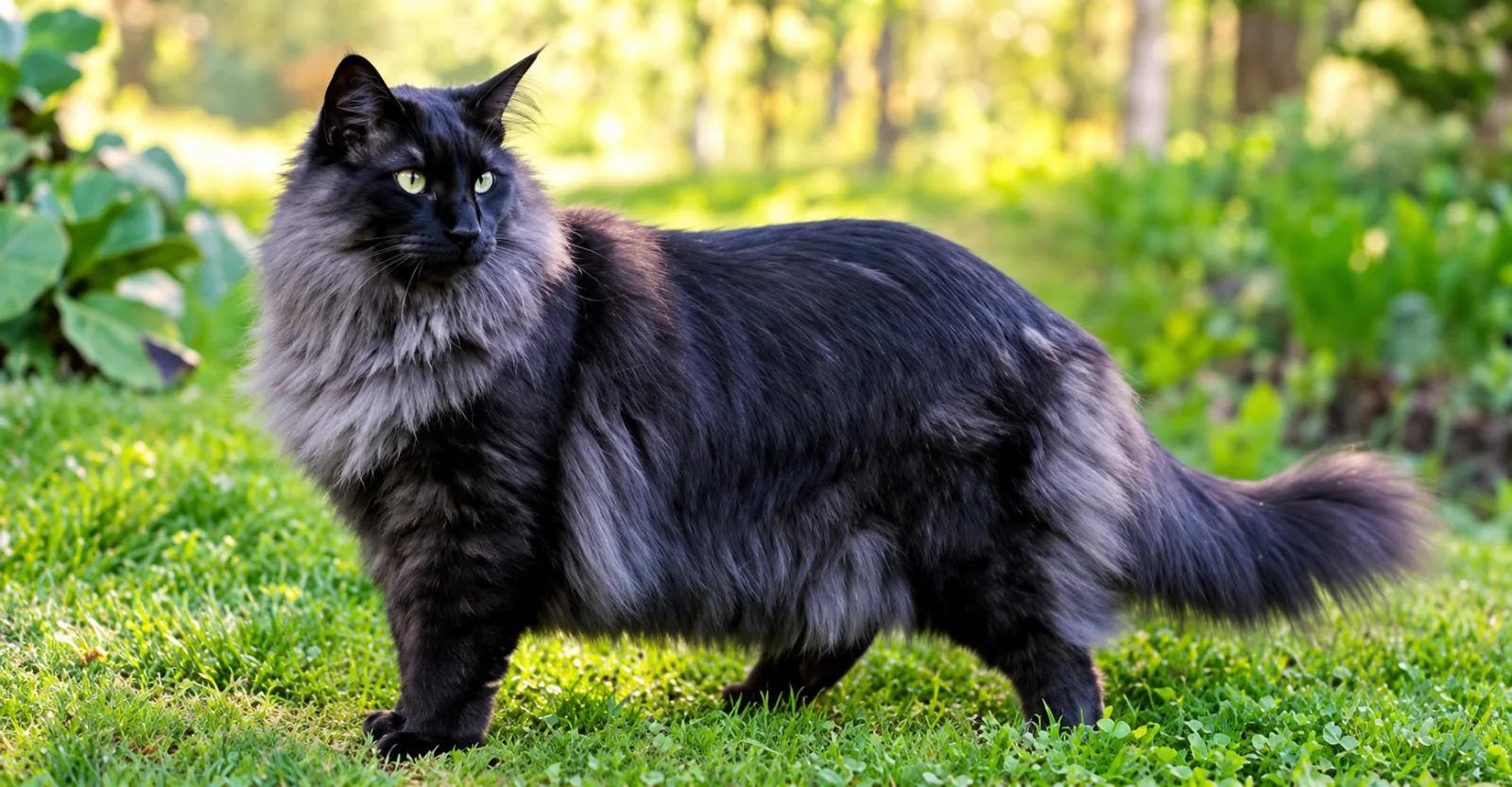
The Norwegian Forest Cat is a large, natural breed from the forests of Norway, shaped by centuries of cold winters into a strong, heavily coated cat. Gentle, friendly, and fond of climbing, it combines a calm temperament with a touch of wild spirit.
Its thick double coat needs regular grooming, and its cold-climate build means it needs a cool home in India. For owners who can provide air-conditioning and tall places to climb, it makes a loving and striking companion.
Diet
This is a large, slow-maturing breed that can take up to five years to fully grow. A protein-rich diet supports its muscles, while portion control keeps it from becoming overweight.
1. Feed a High-Protein Diet
Feed a high-protein diet suited to large cats, measuring portions and adjusting for activity.
2. Support Coat Health
Include omega fatty acids for coat health, and keep fresh water easily available, especially in summer.
Built for Snow
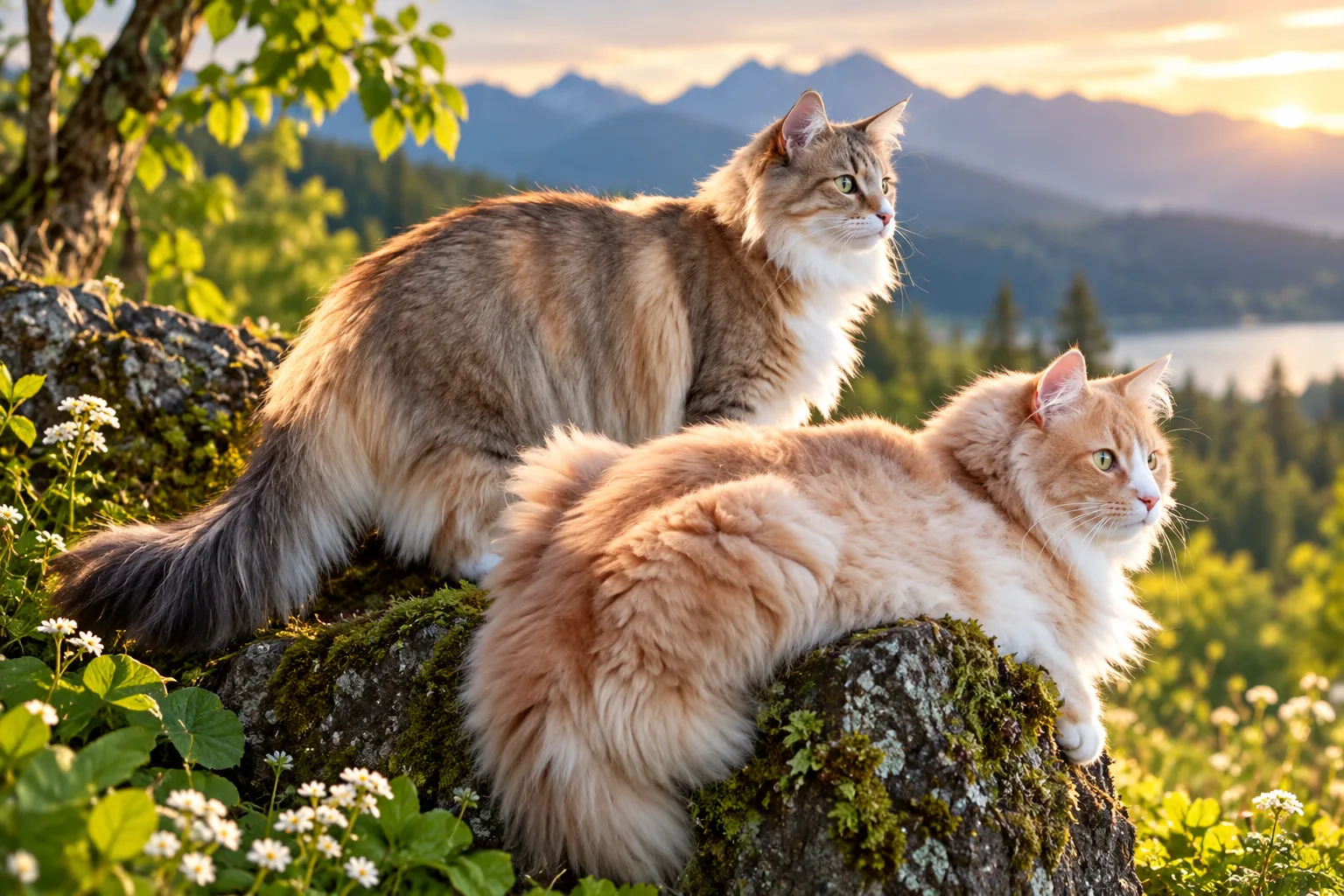
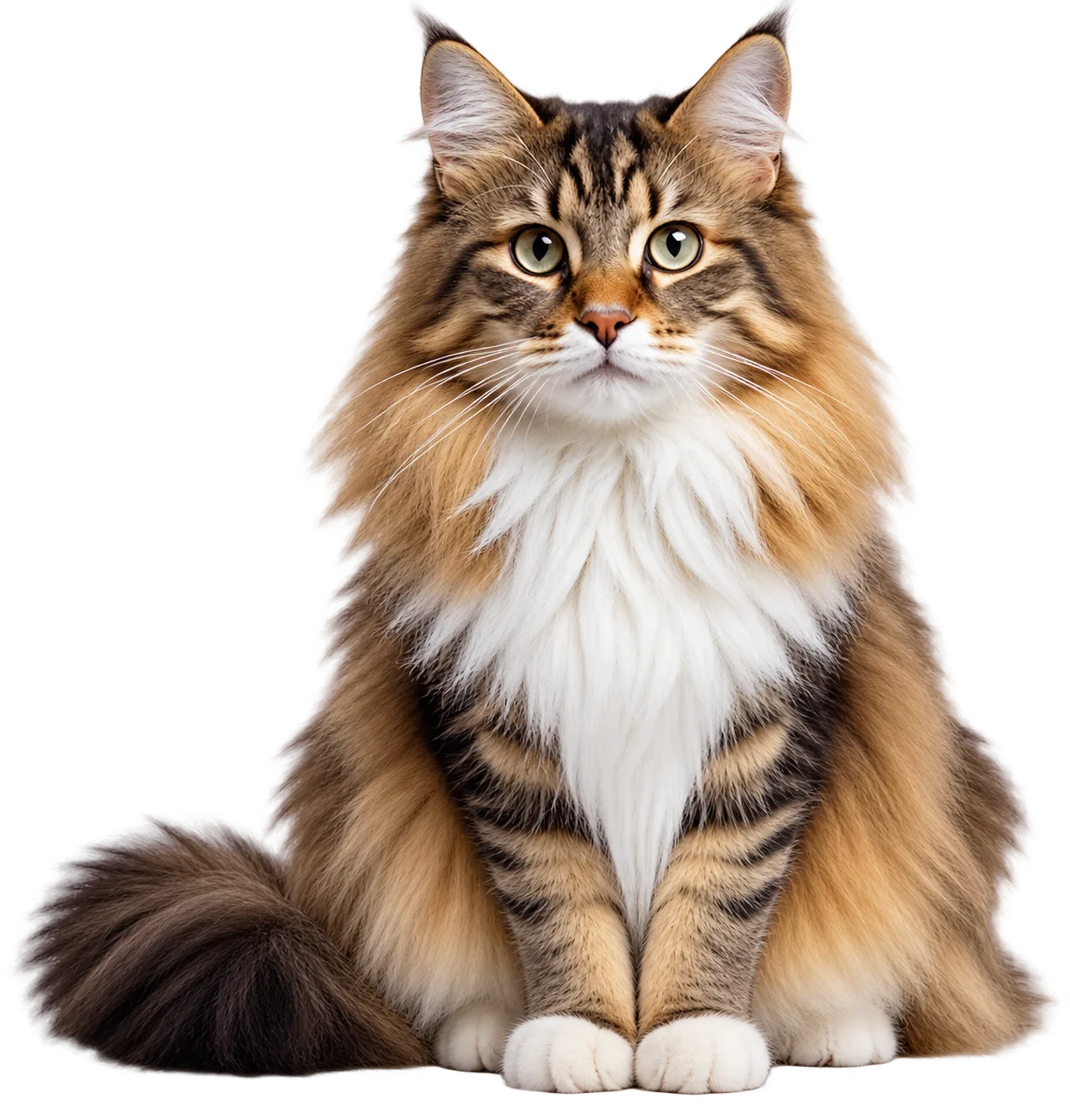
The Norwegian Forest Cat is calm and confident, happiest when it has somewhere high to climb and watch from. Its thick double coat was made for freezing winters, so in most of India it needs air-conditioning or a genuinely cool room through the summer.
Training
These cats are intelligent and can learn routines, but they have an independent streak. Gentle, reward-based training works best.
1. Start Early Socialisation
Early handling helps them accept grooming, which matters a lot for a cat with this much coat.
Grooming
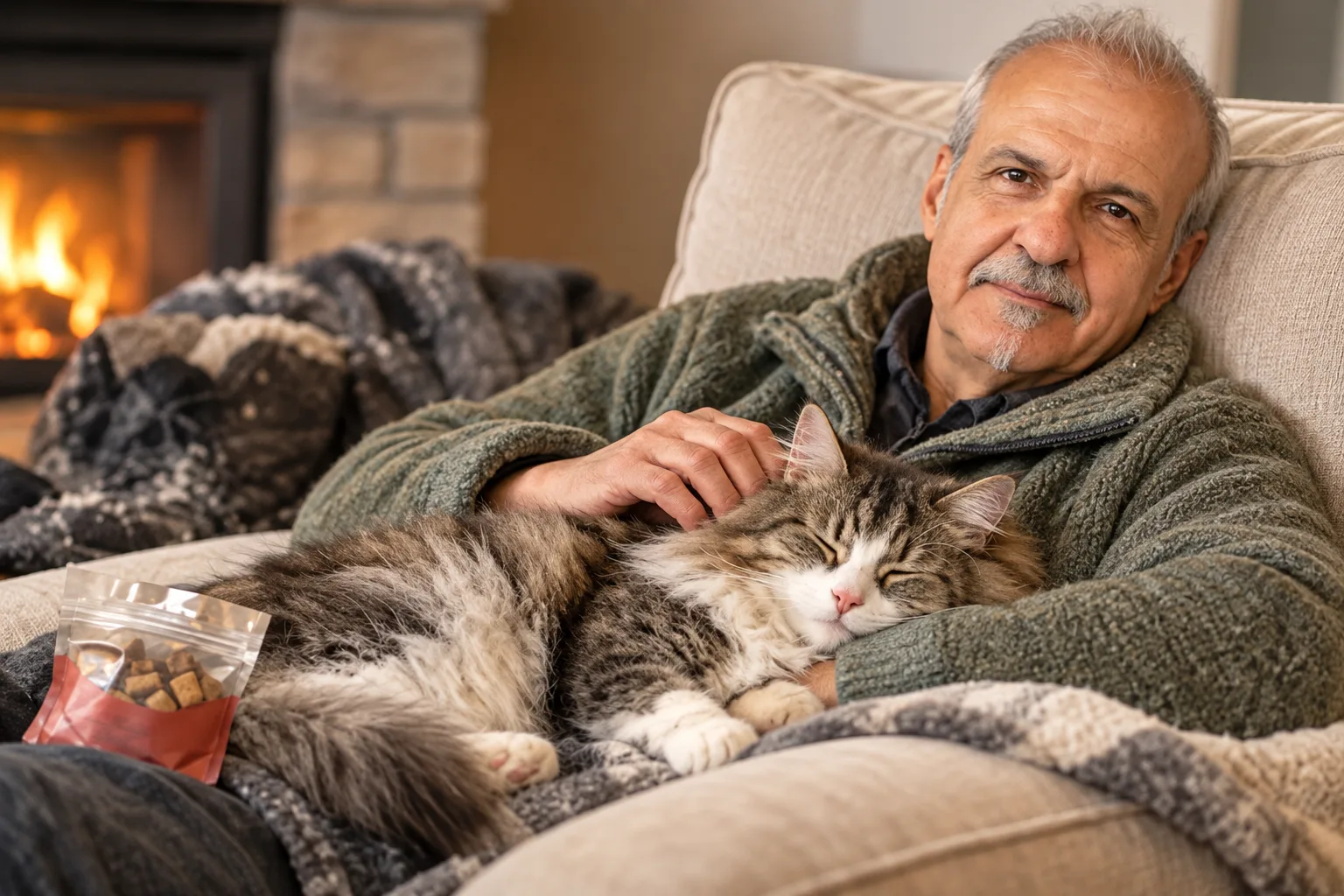
The thick double coat needs regular brushing, especially when it sheds heavily.
1. Brush Twice a Week
Use a wide-toothed comb and slicker brush, paying extra attention to the ruff, belly, and back legs.
2. Increase Brushing in Shedding Season
Brush daily during heavy sheds to prevent mats and hairballs.
Health
Norwegian Forest Cats are generally sturdy, but some lines can be prone to hypertrophic cardiomyopathy (HCM), hip dysplasia, and a rare inherited condition called glycogen storage disease type IV. Responsible breeders screen for these.
1. Guard Against Heat
Panting, drooling, or lethargy are warning signs of overheating. Move your cat to a cool room straight away and call your vet.